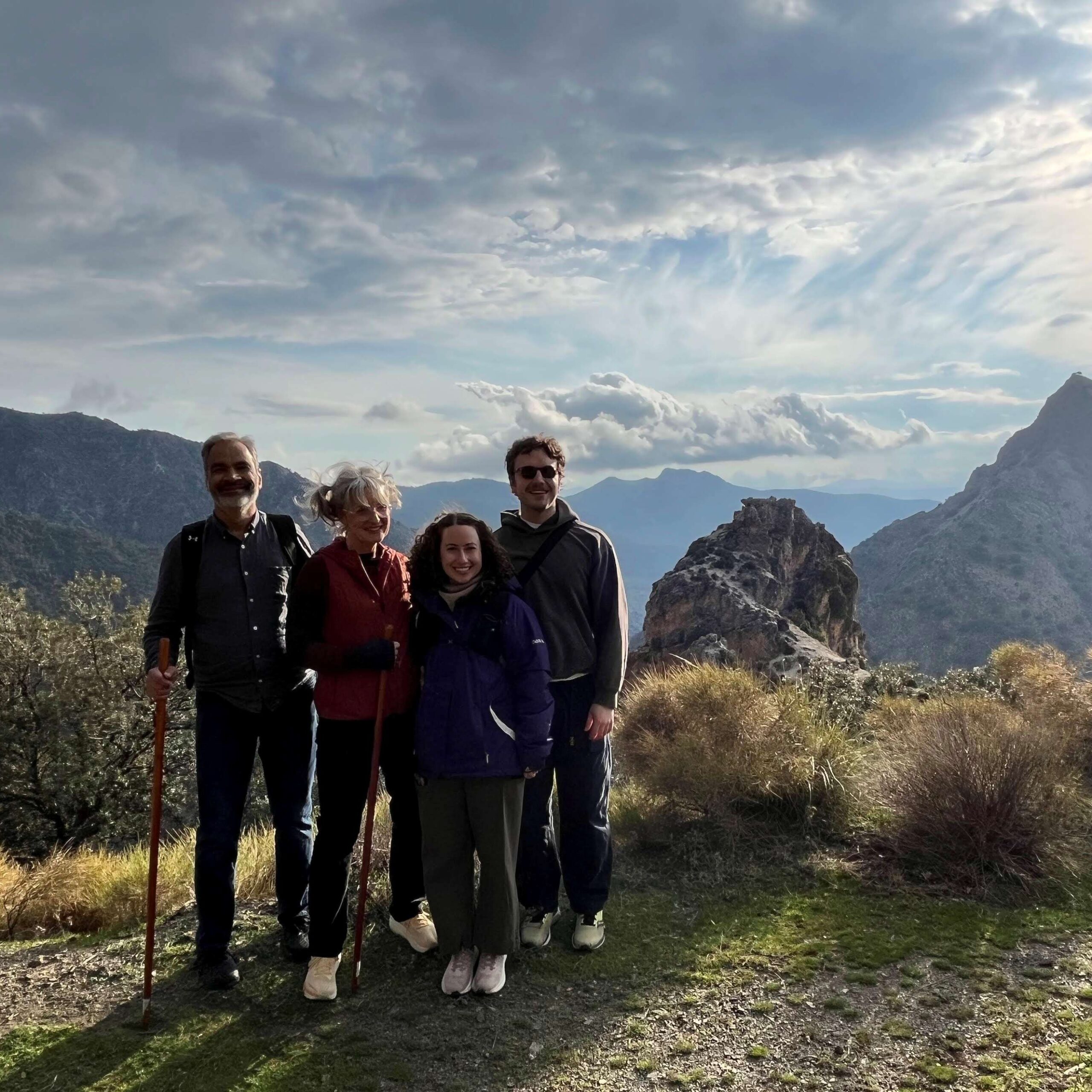

Our third trip to Spain exceeded all expectations. Until now, we’d only explored its bustling largest cities. This time, the green, hilly landscapes and the slower rhythm of small medieval towns were a wonderful surprise.
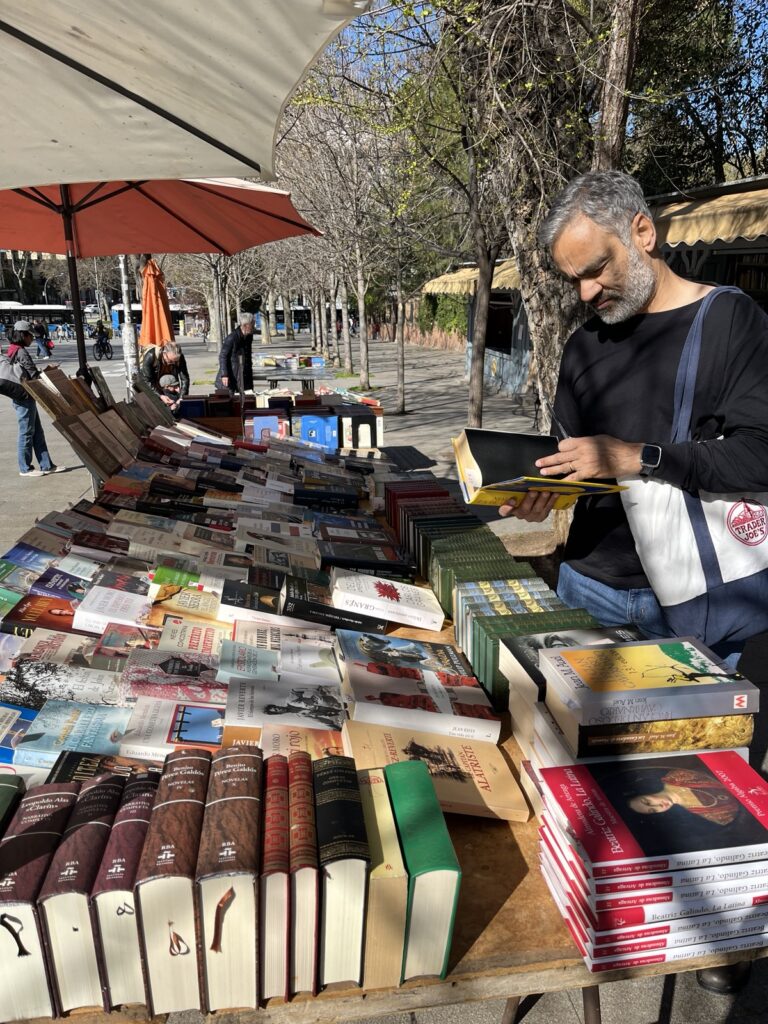
Pre-Andalusia (Madrid and Toledo)
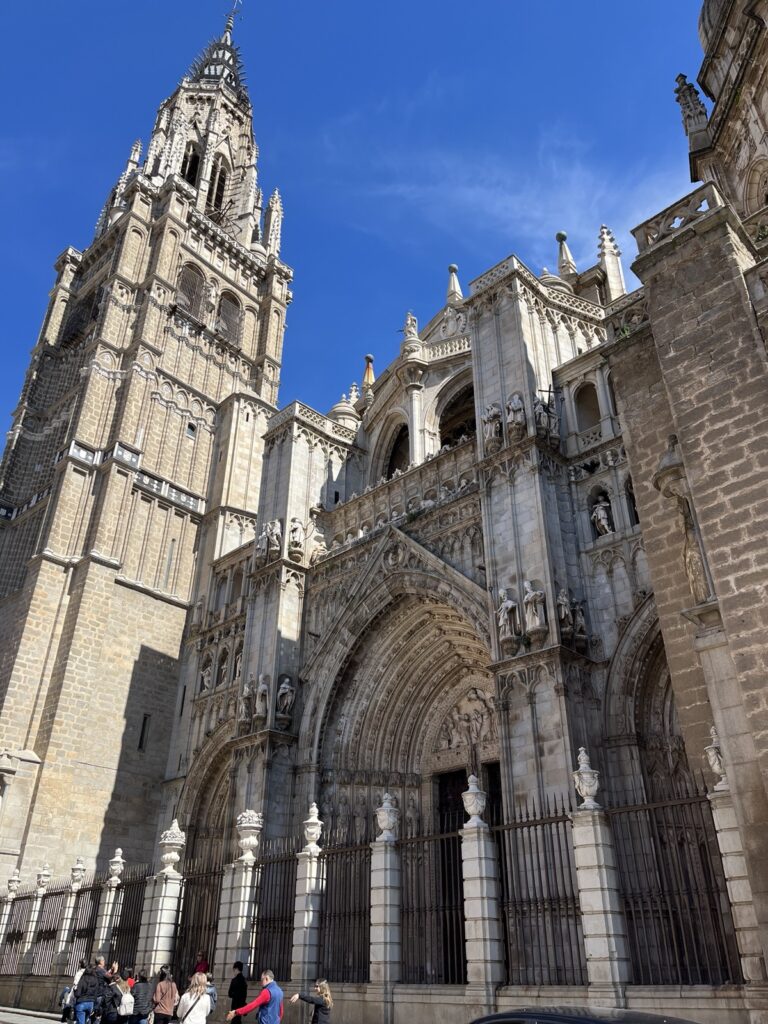
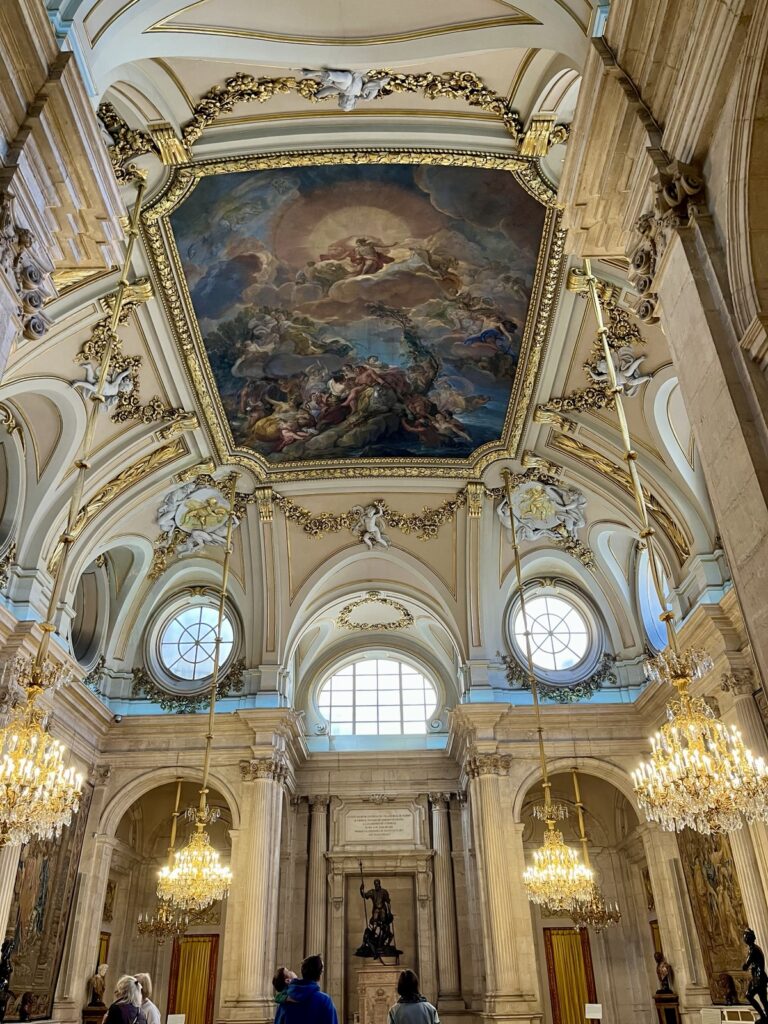
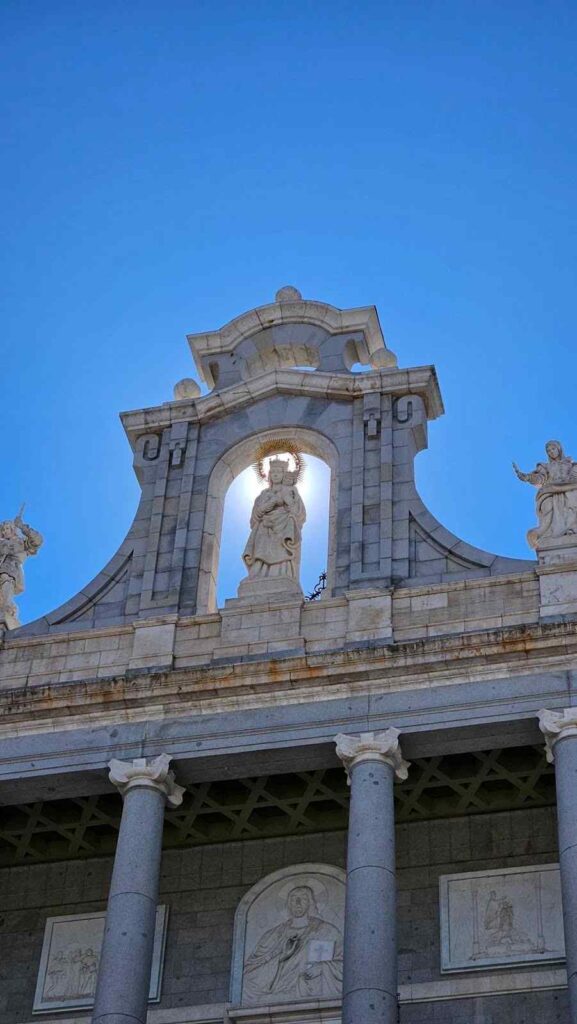
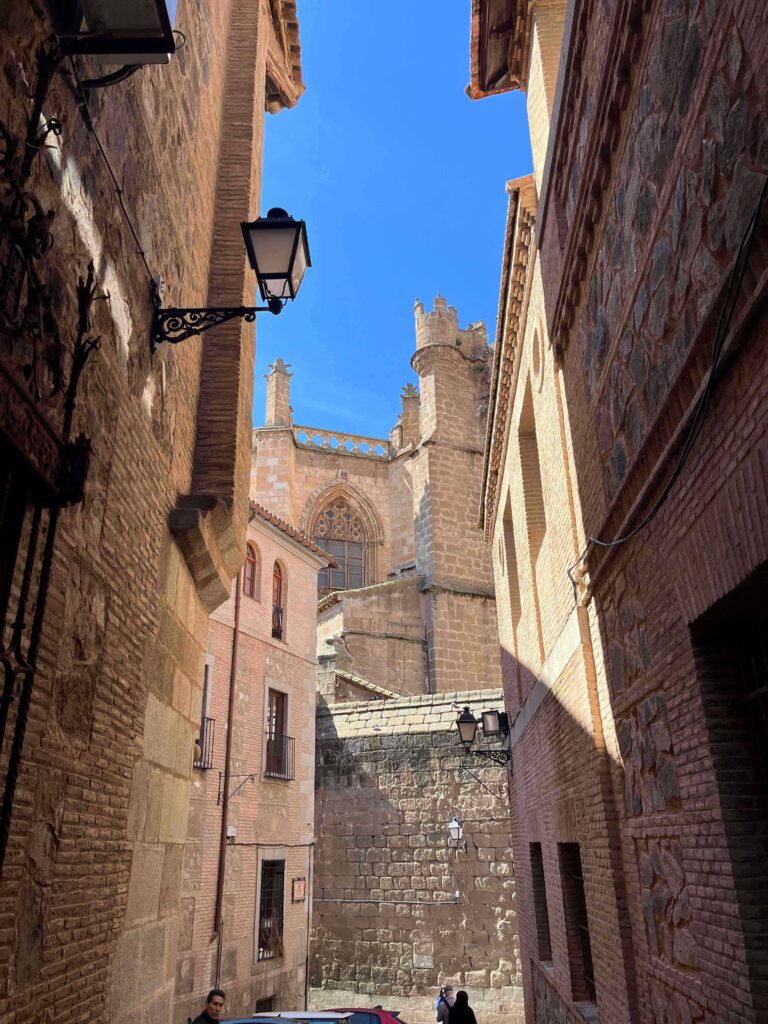
Manohar and I spent a few days recovering from jet lag and soaking up the sun in Madrid and nearby Toledo until Aaron and Jane arrived. Coming from dark, northern climates, Spain’s sunshine can be quite [a wonderful] adjustment!
Note: Of course Alison and McKenzie were invited, but the timing didn’t quite work since Alison was about to leave for her girls’ Italy trip. Understandably, Mick opted to fly from Providence to Seattle to spend time with her before she left.
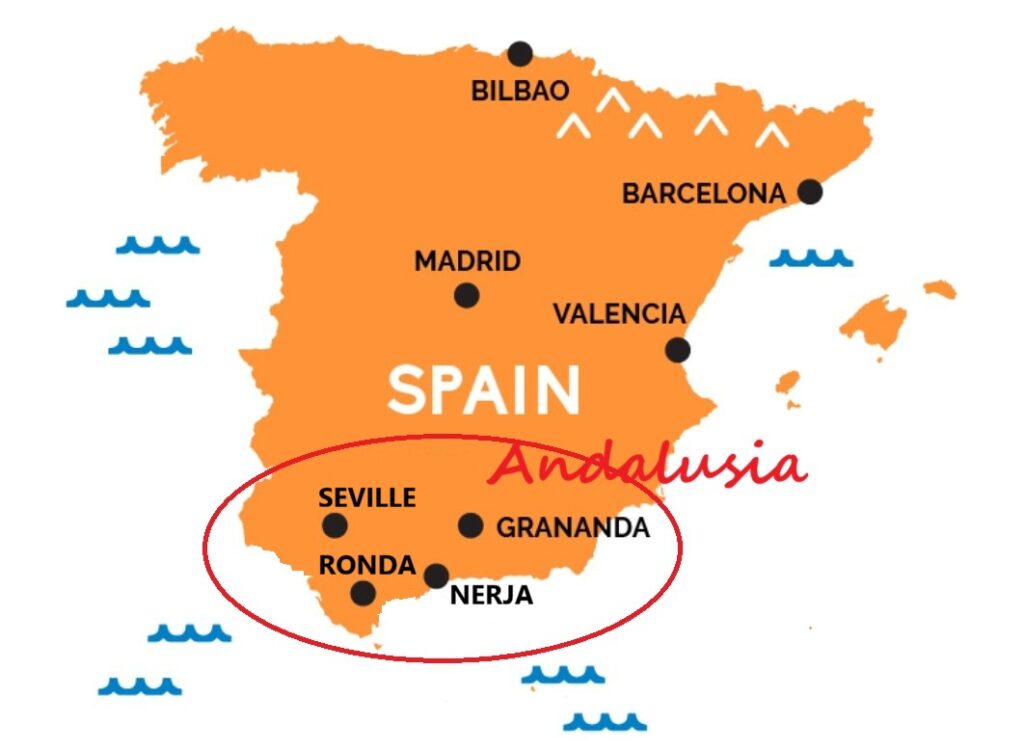
Our “spring break” itinerary brought us to — Seville, Ronda, Nerja (including Frigiliana and The Lost Village El Acebuchal), and Granada — before returning to Madrid.

Seville
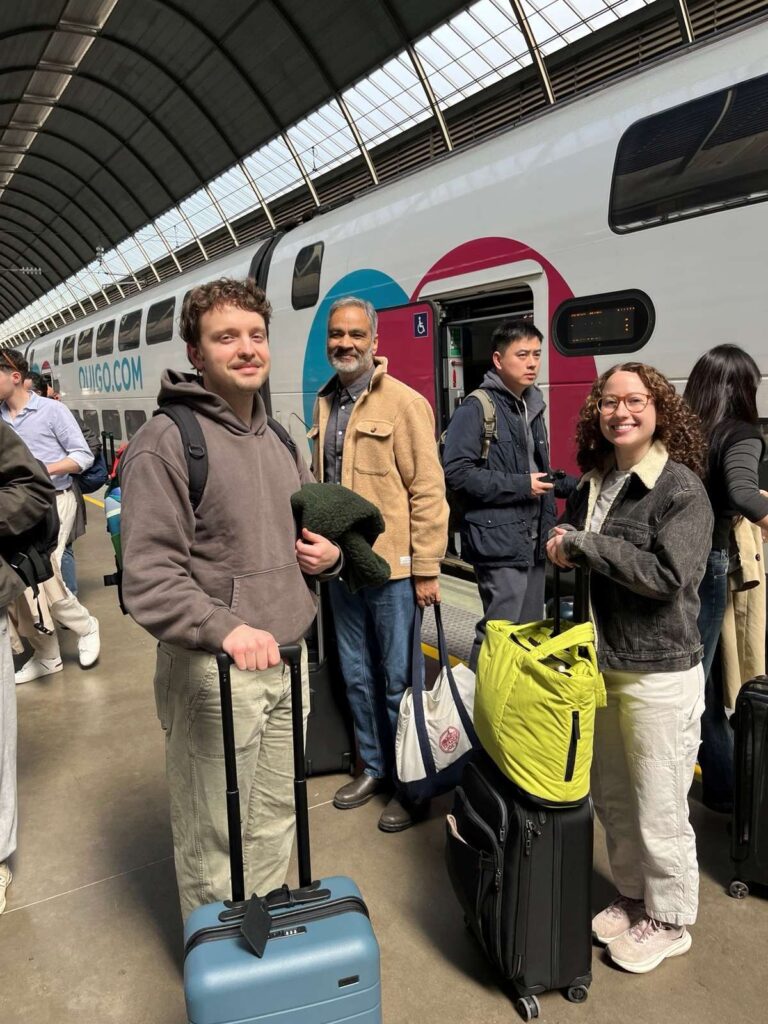
Following their overnight flight, we met Aaron and Jane early in the morning at the Atocha Train Station in Madrid. By design, we had been staying at a hotel nearby so they could come back to shower and freshen up. We had a nourishing breakfast and then we boarded a high-speed train to Seville.
Note: There are four high-speed train options in Spain — the Spanish Renfe AVE and AVLO, the Italian IRYO, and the French OUIGO.
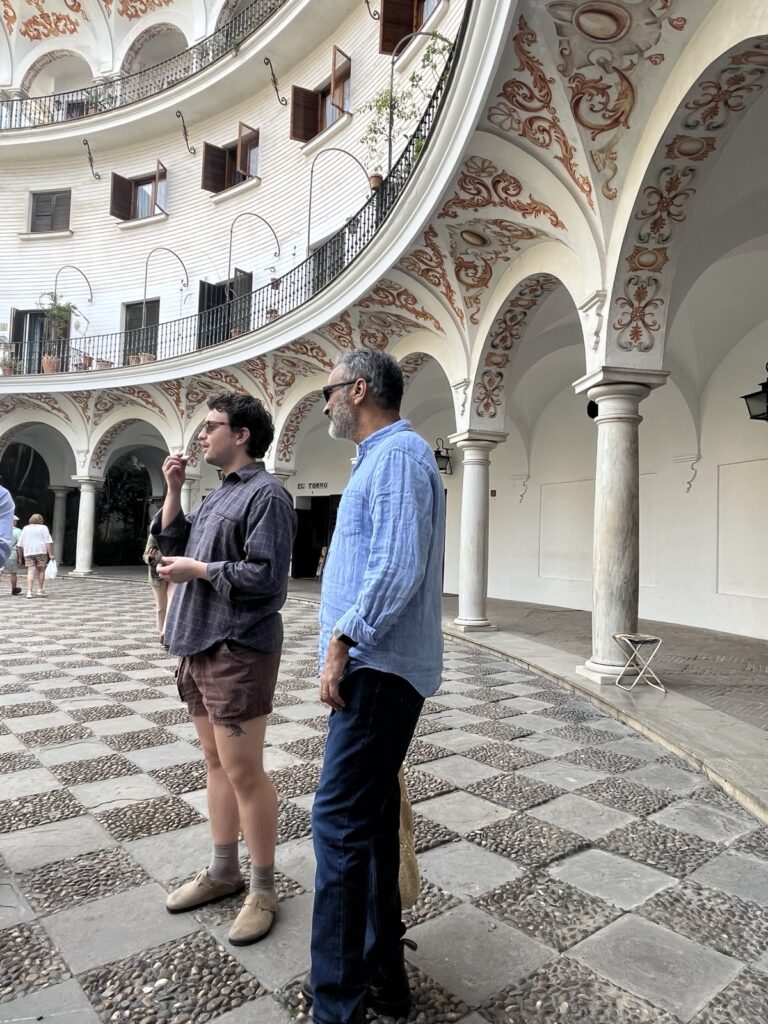

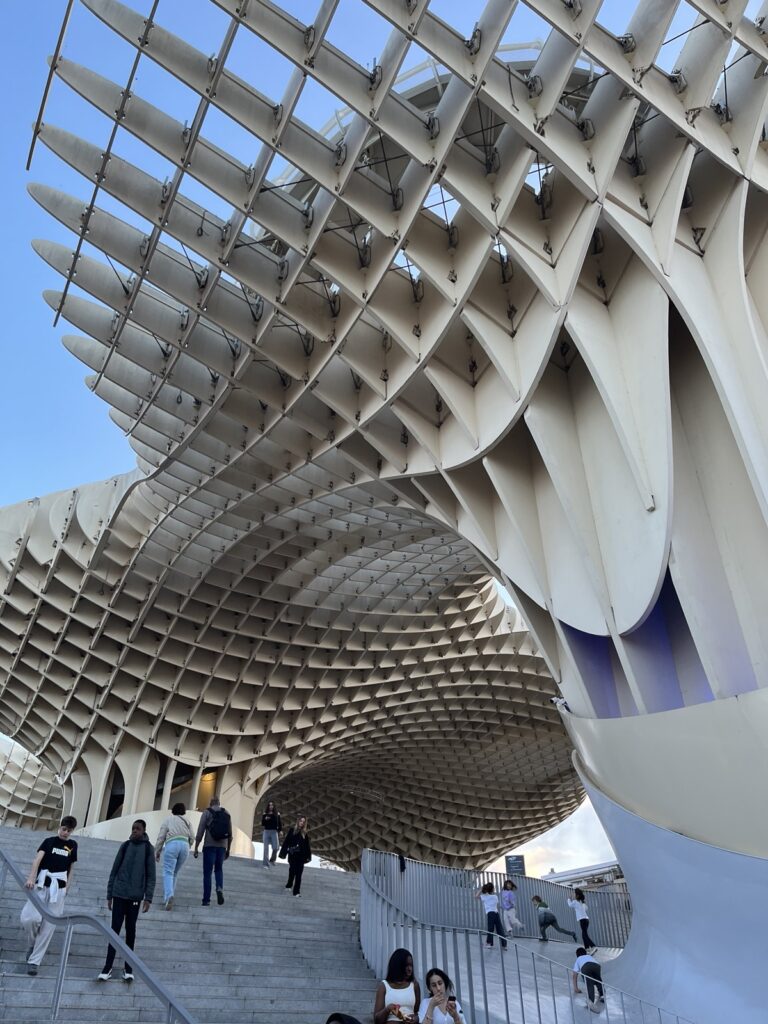
Setas de Sevilla (“The Mushrooms of Seville”) is a popular tourist spot located in the Plaza De La Encarnacion within the historic old quarter of Seville. It also happens to be where we were targeted by petty thieves (i.e., purse snatchers, pickpockets, etc.).
I had sensed someone following too close behind, so I suddenly stopped and turned around. There, right behind us, were two young ladies with very surprised faces! They quickly turned around, folded their arms, and pretended to look at something in the distance. We stood there looking at them until they gave up and walked away. It was actually kind of funny to all of us, but it should be taken seriously. Be smart out there! ❤️
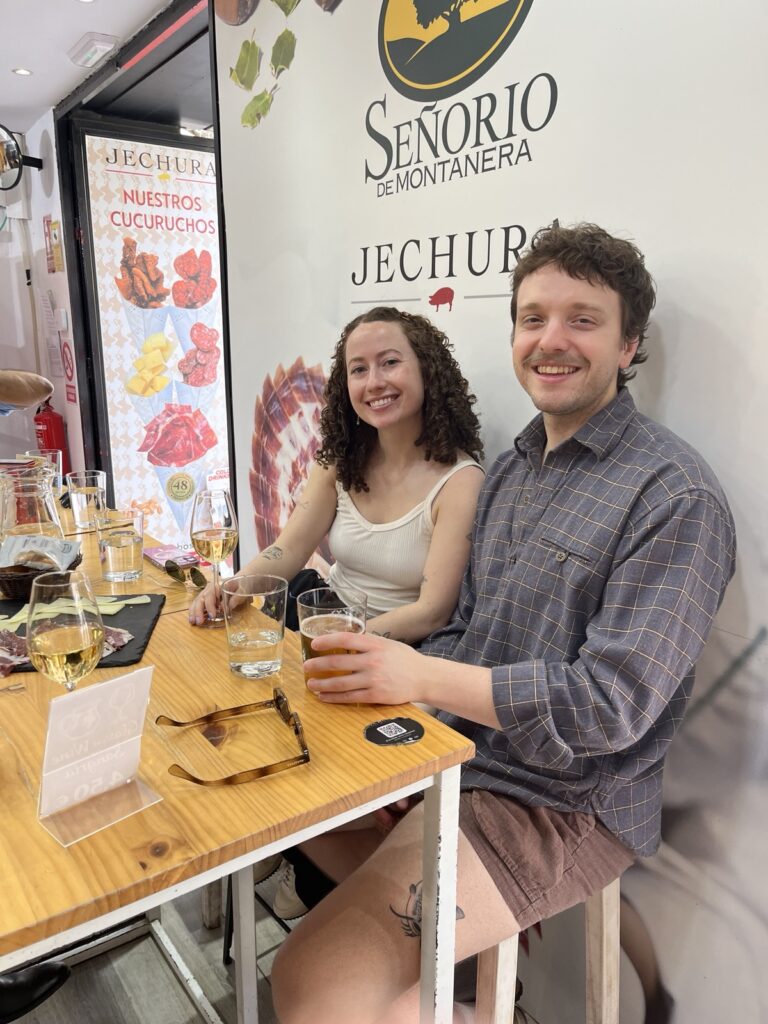
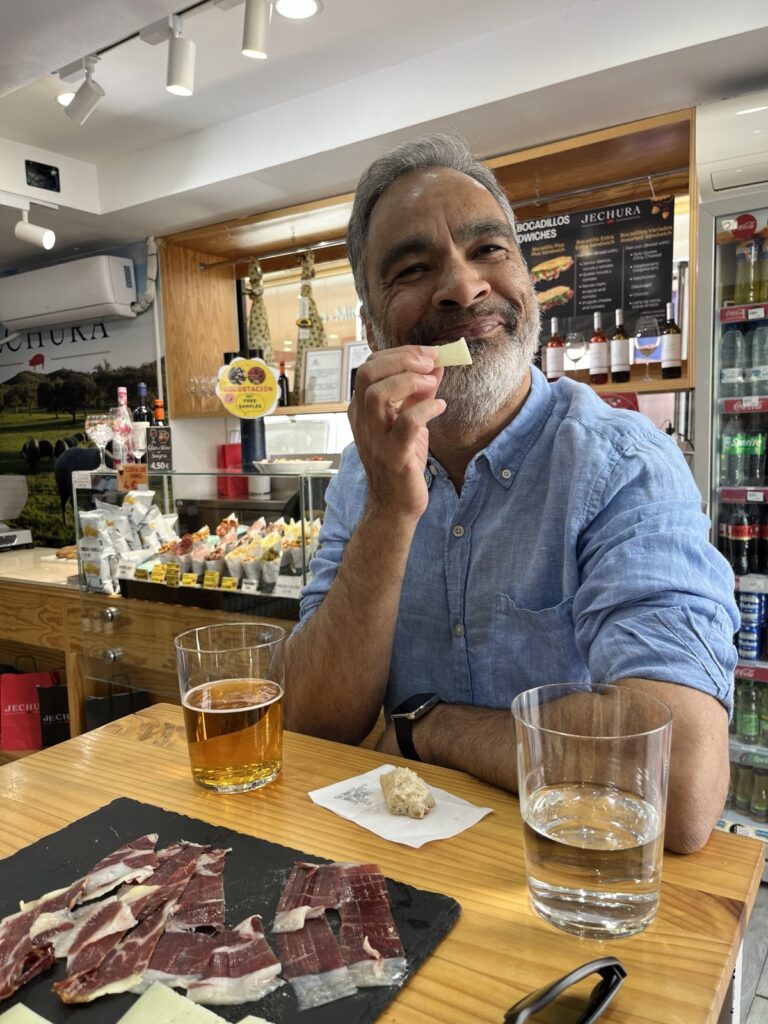
Seville Food Tour
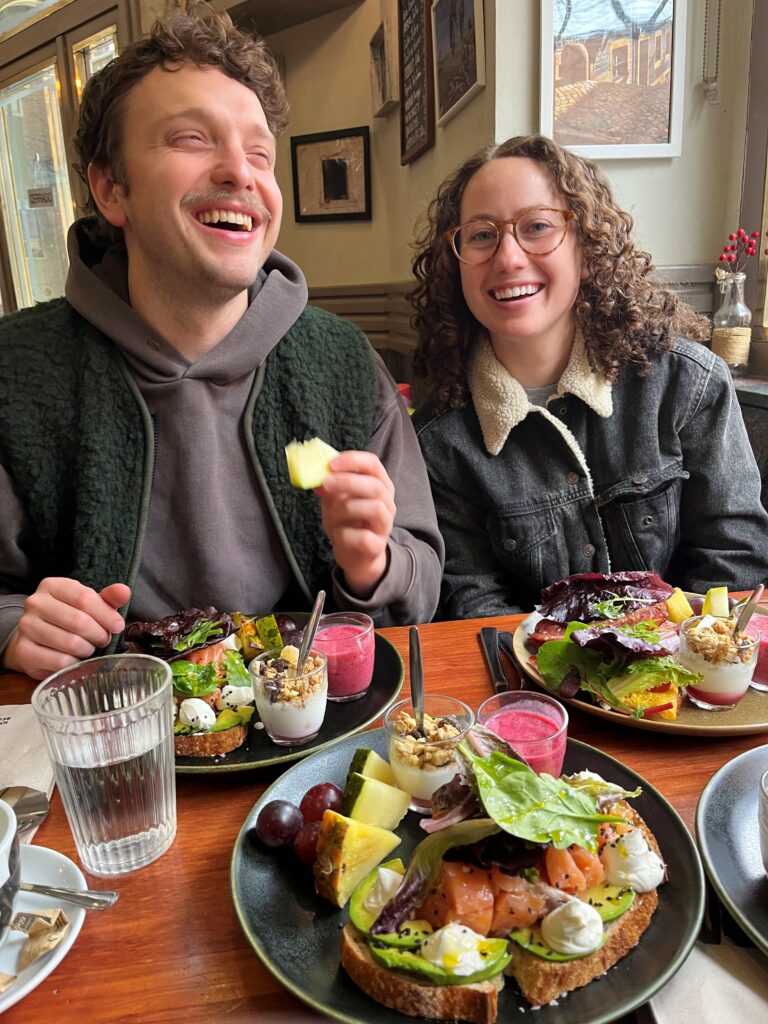
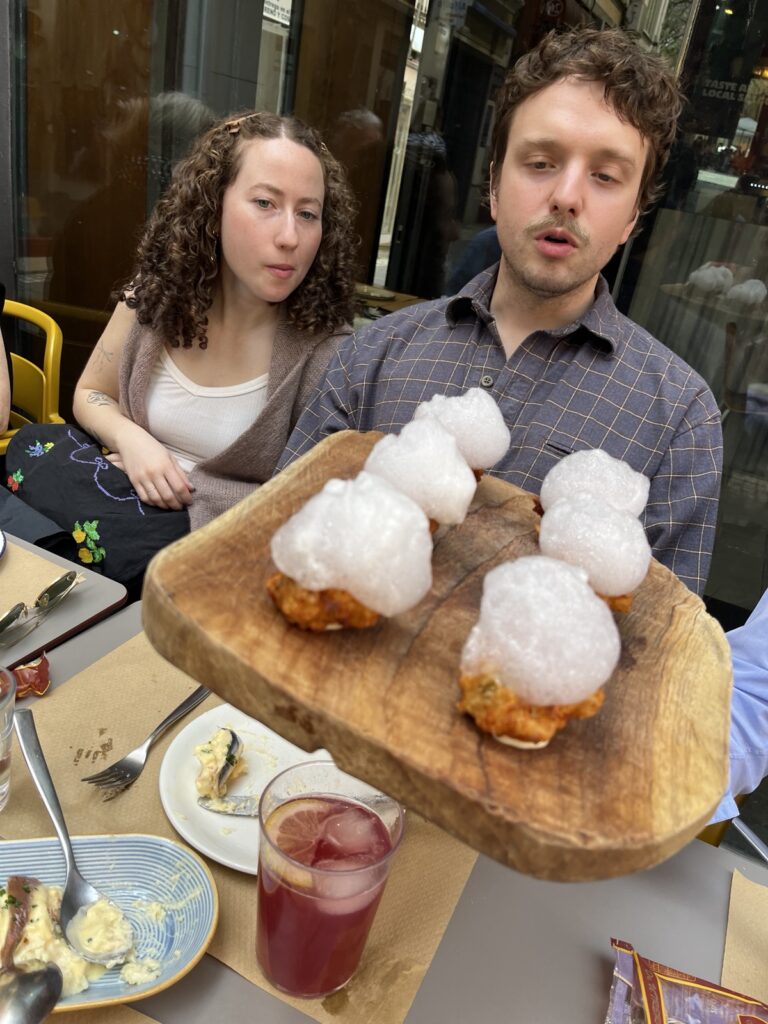
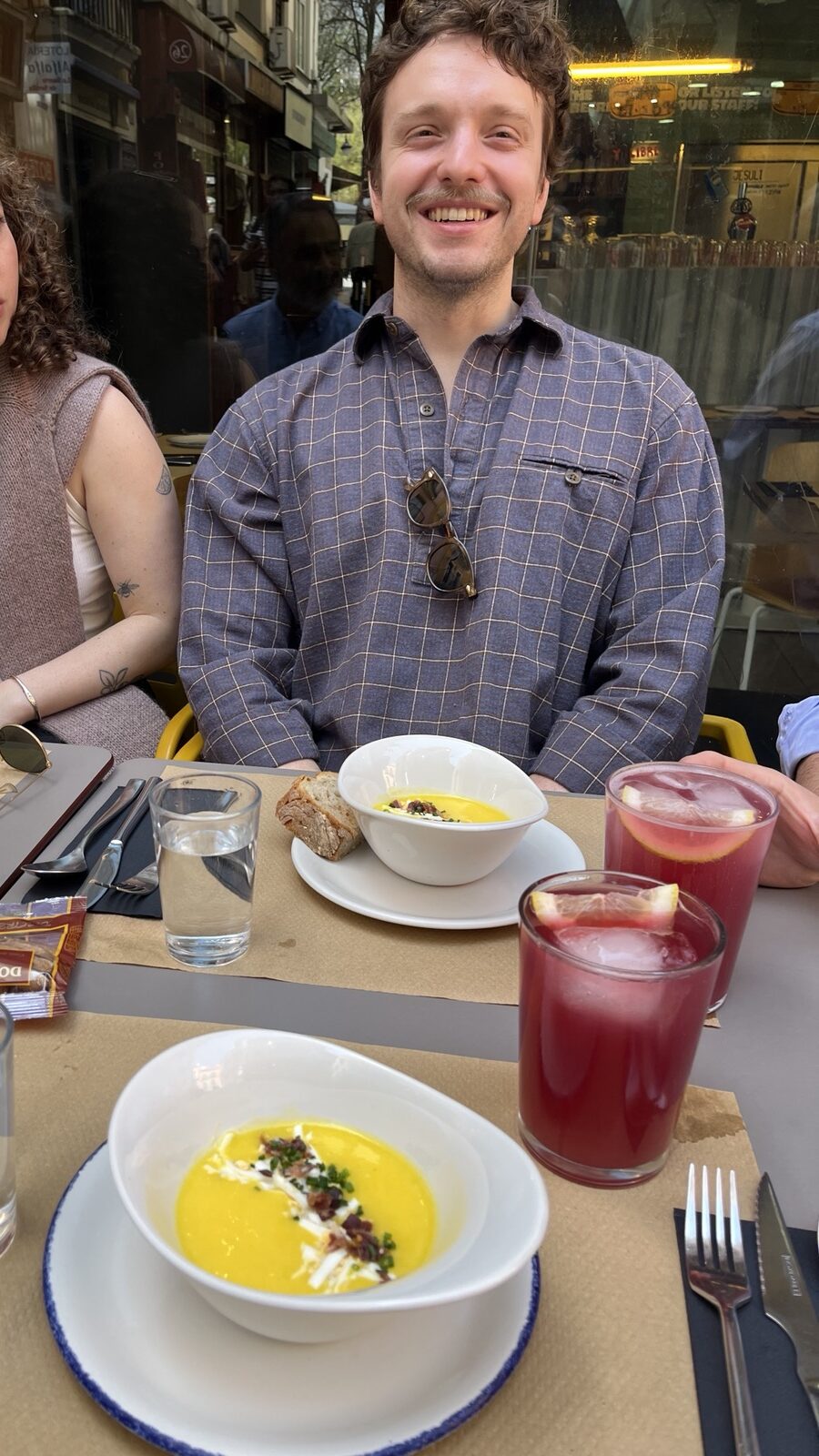
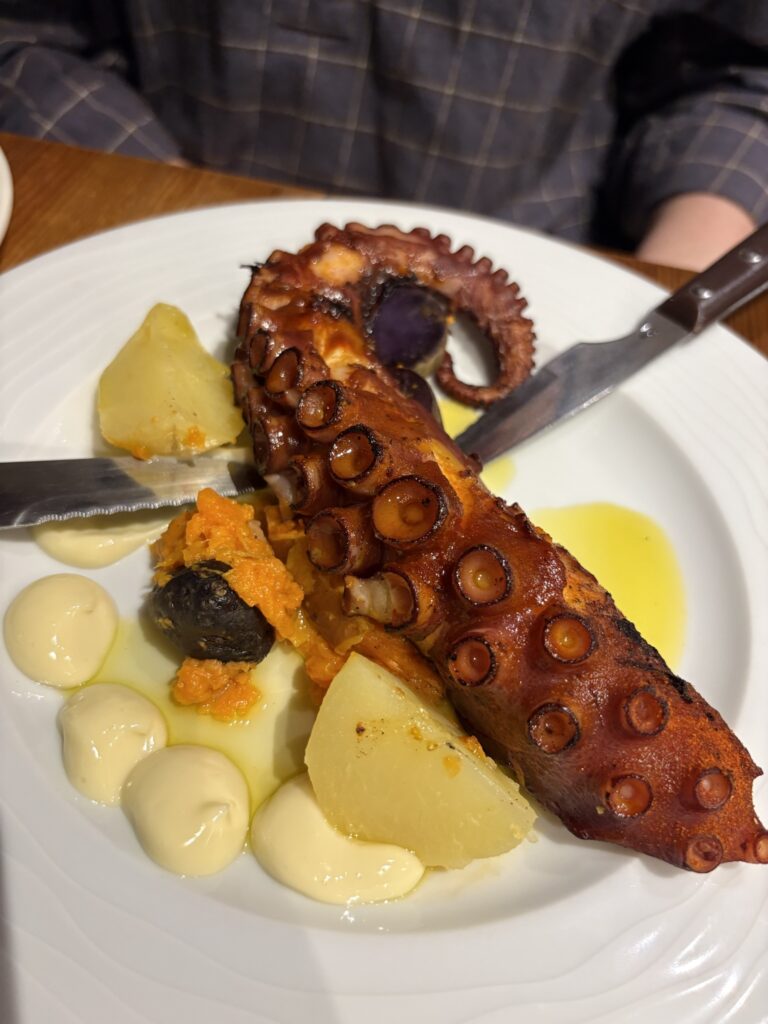
The Do Eat Better Experience Seville food tour with our guide, Jason, was one of the highlights of our time in Seville. His deep knowledge of local cuisine brought the city to life in a way we never could’ve experienced on our own. Every bite came with a story that made us appreciate the flavors even more. Some of our favorites were enjoyed at Bar Sal Gorda and included — cod fritters with honey foam, yellow gazpacho, and tinto de verano (“summer wine”). It’s 1:1 table red wine and lemon soda. In Spain they use Lemon Fanta, but Sprite or 7-Up will work too. Serve it with ice and a slice of lemon — delicious!
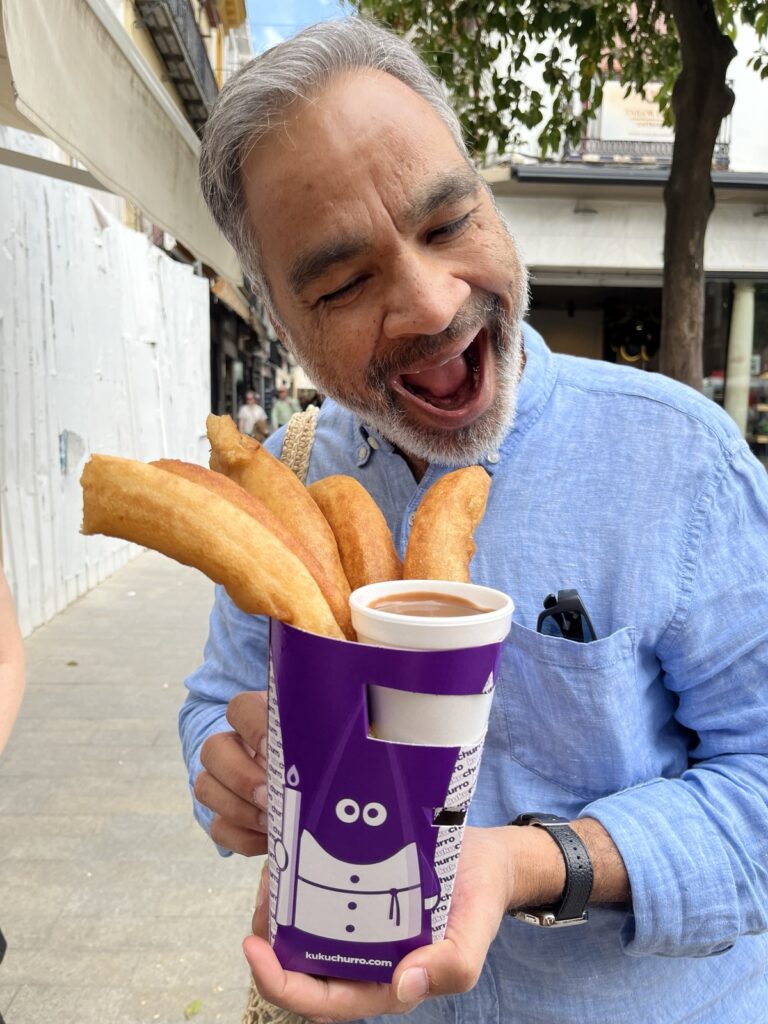
Okay, and a note on the conical hooded people we saw represented on merchandise, advertisements, and being sold as figurines (e.g, see the purple churro box, above)…
To American eyes, the figures look uncomfortably similar to the KKK. It’s a common misconception, but the Spanish tradition is centuries older and carries a completely different meaning. These hooded people belong to religious brotherhoods and take part in Holy Week processions across Spain (and other countries) as an act of public faith and atonement. Their robes and the pointed hood (capirote) symbolize anonymity, humility, and penance, with roots reaching back to the 15th century. The more you know. 🌈⭐
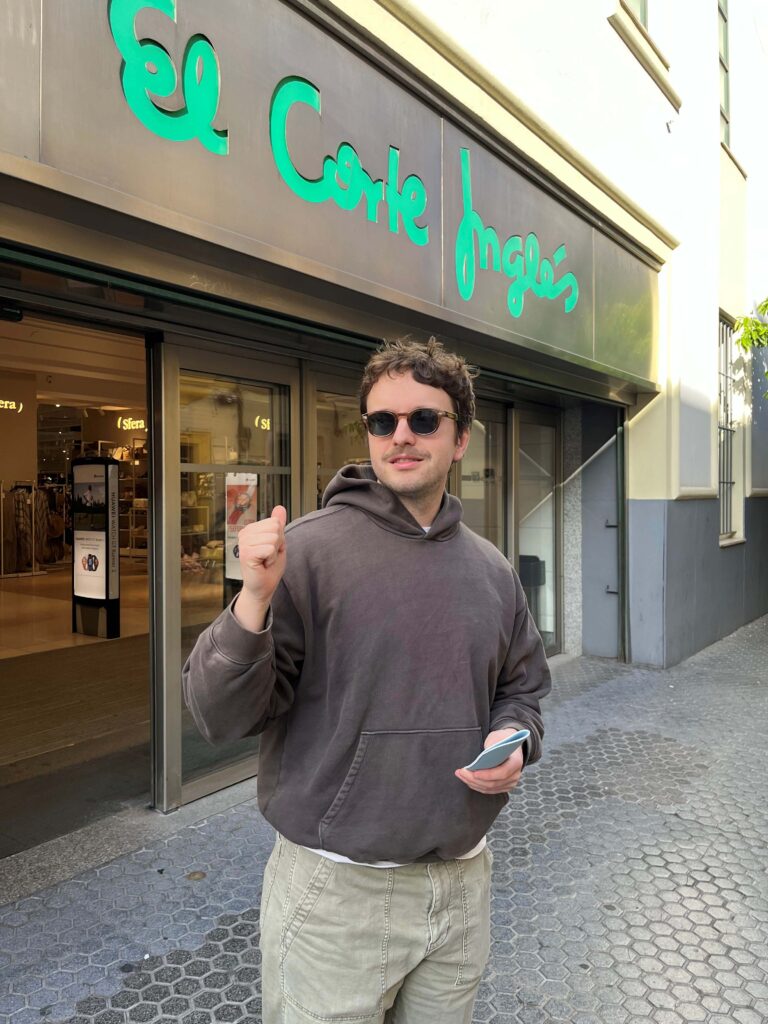
After a couple of days of gorgeous warmth and sunshine, Jane led the charge and we did a little summer-clothes shopping. Naturally, the moment we did, the clouds rolled in and the rain started, lol! We bundled back up and headed out… but not before I slipped and tumbled down a flight of wet, marble stairs. Thankfully I only had bumps and bruises. I only hoped I’d be able to handle our mountain hike three days later!

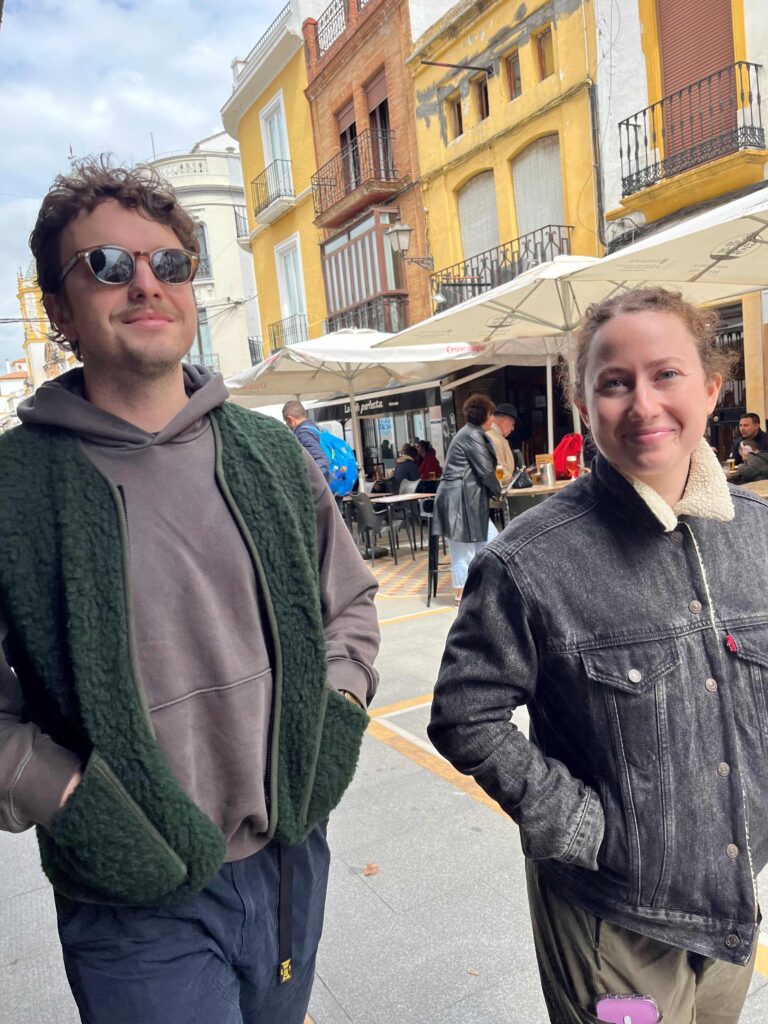
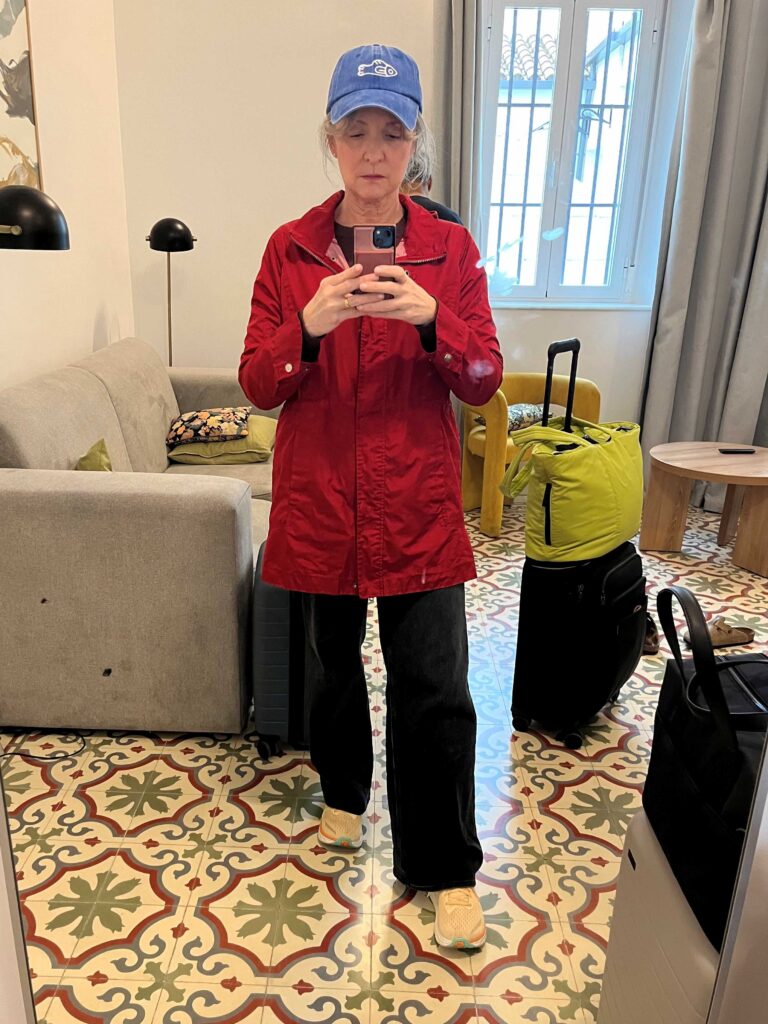
We rented a car in Seville and started out. The drive was beautiful—the plains were as green as Ireland after two weeks of unusually heavy rain. We did hit a few highway detours, though, where landslides had taken out parts of the road.

Ronda
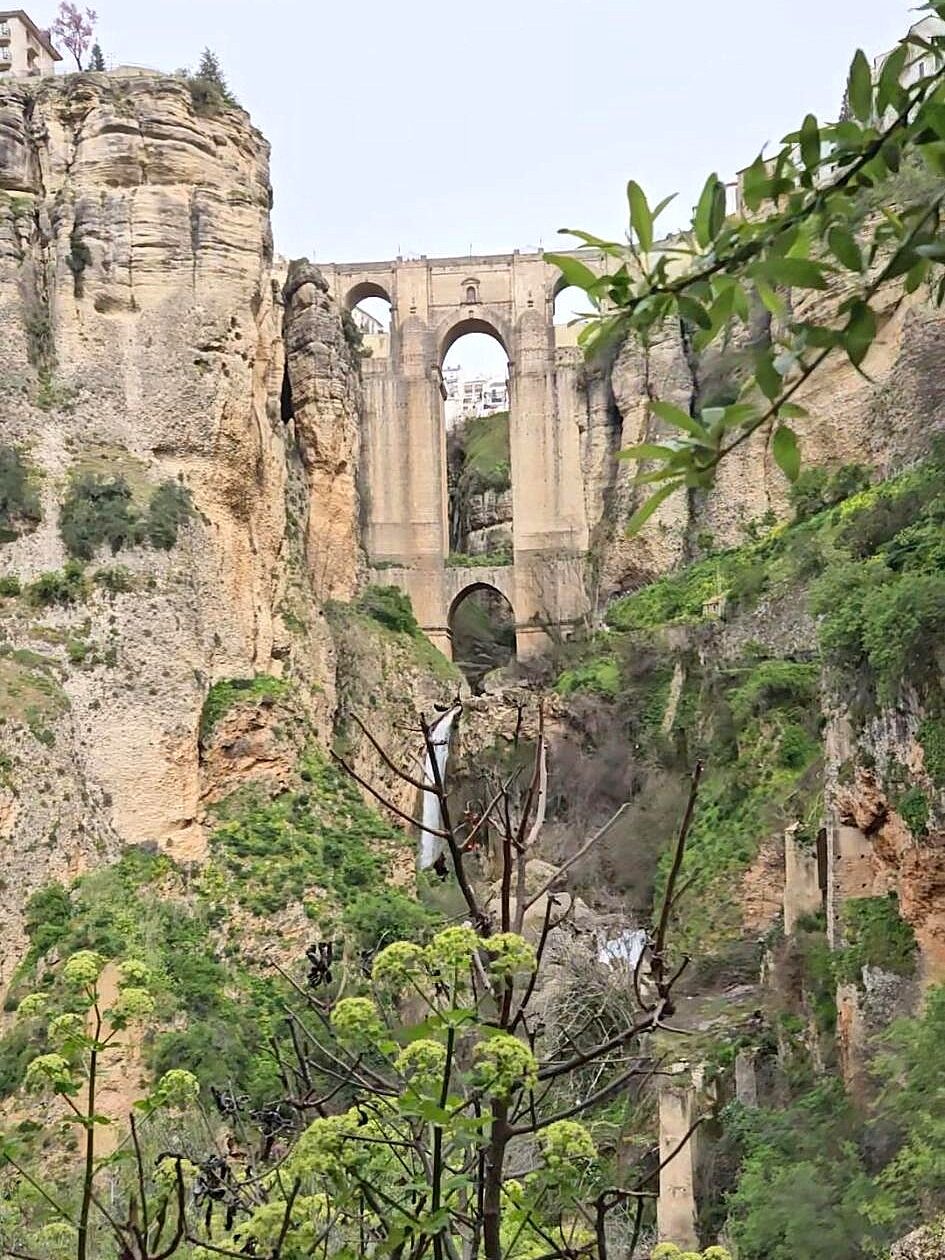
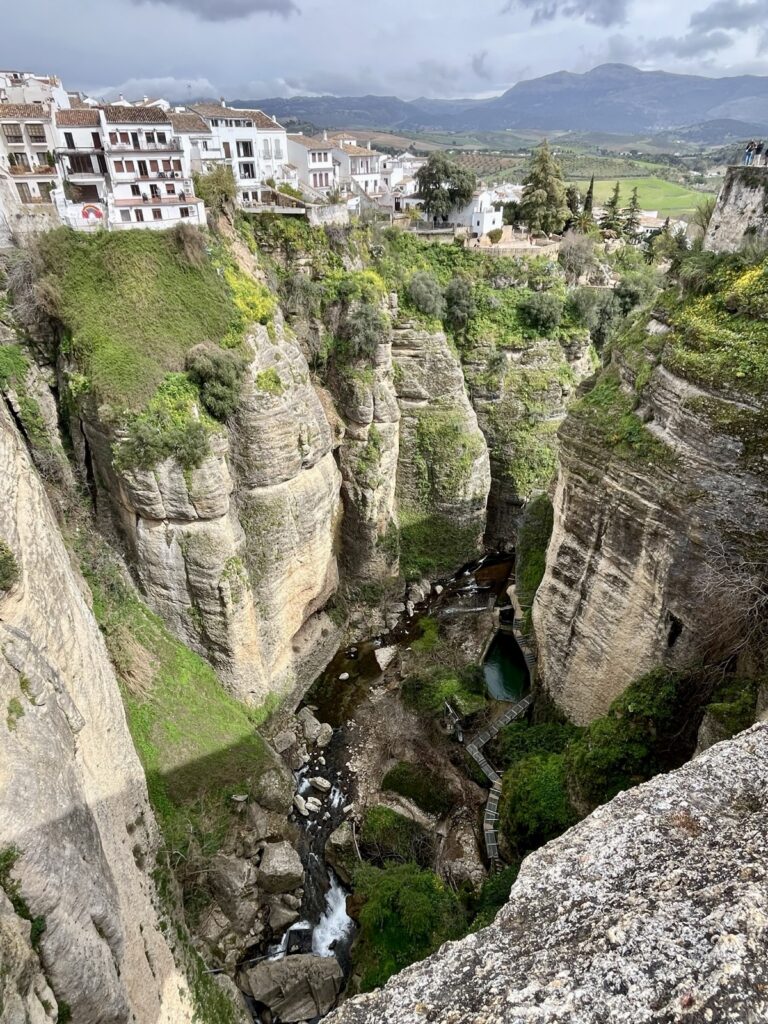
We had managed to drive out of the rain, but the clouds were close behind. The famous bridge in Ronda still looked pretty darn fantastic! The 18th-century bridge in Ronda, the Puente Nuevo (“New Bridge”) was started in 1759 and completed in 1793 after 34 years of construction. It replaced a failed 1735 bridge that collapsed, killing 50 people. Even though we opted out, tourists can go inside the bridge and visit the museum that was once as a prison.

The Lost Village of El Acebuchal
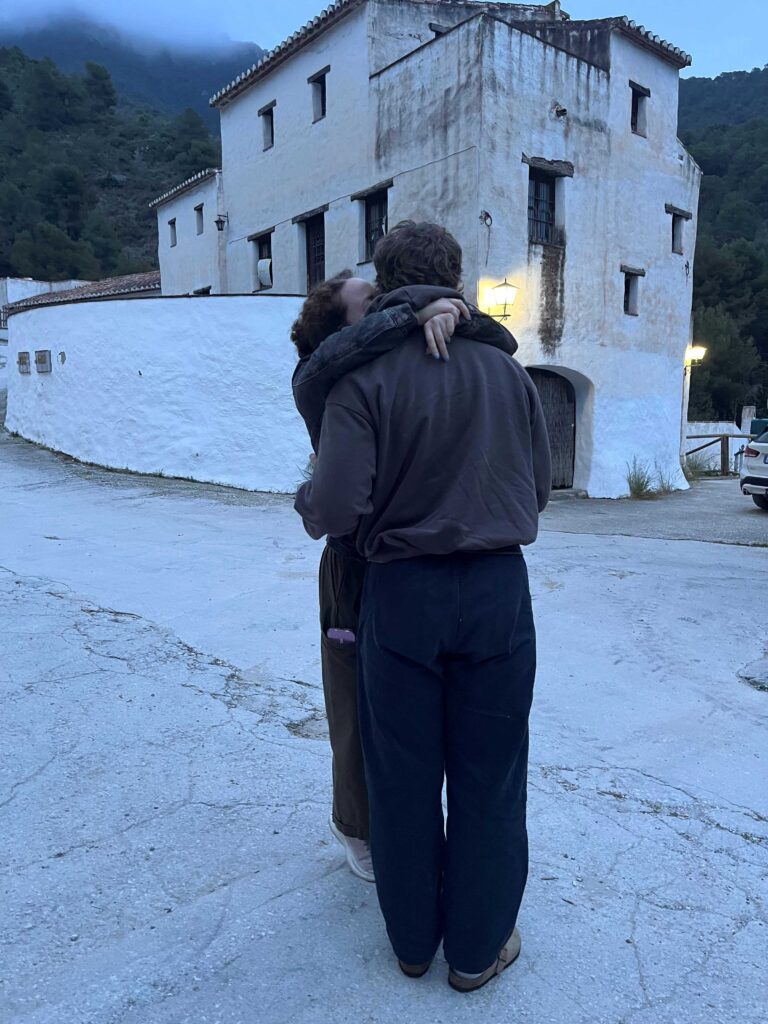
We had a leisurely lunch in Ronda but needed to press onward to our Airbnb in The Lost Village of El Acebuchal so that we could reach it before dark. This was necessary due to the last one mile of harrowing road — think single-lane, gravel road clinging to a mountainside. We reached just in time, but finding our exact unit proved a little bit tricky. At least Aaron and Jane seemed unbothered, lol!
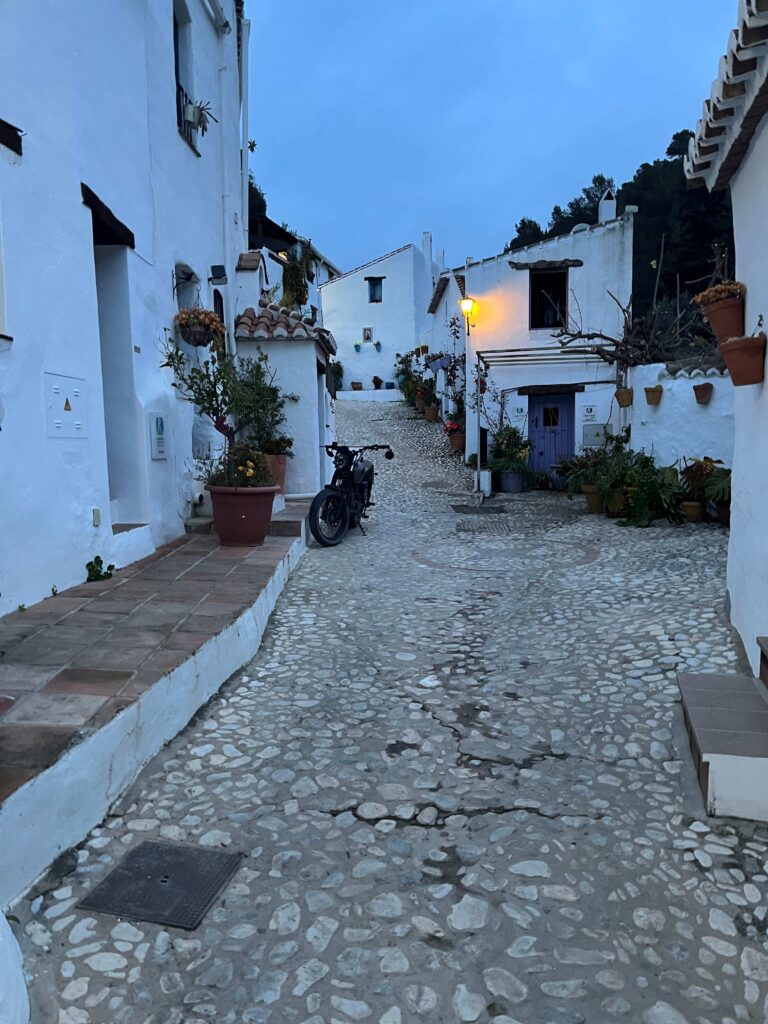
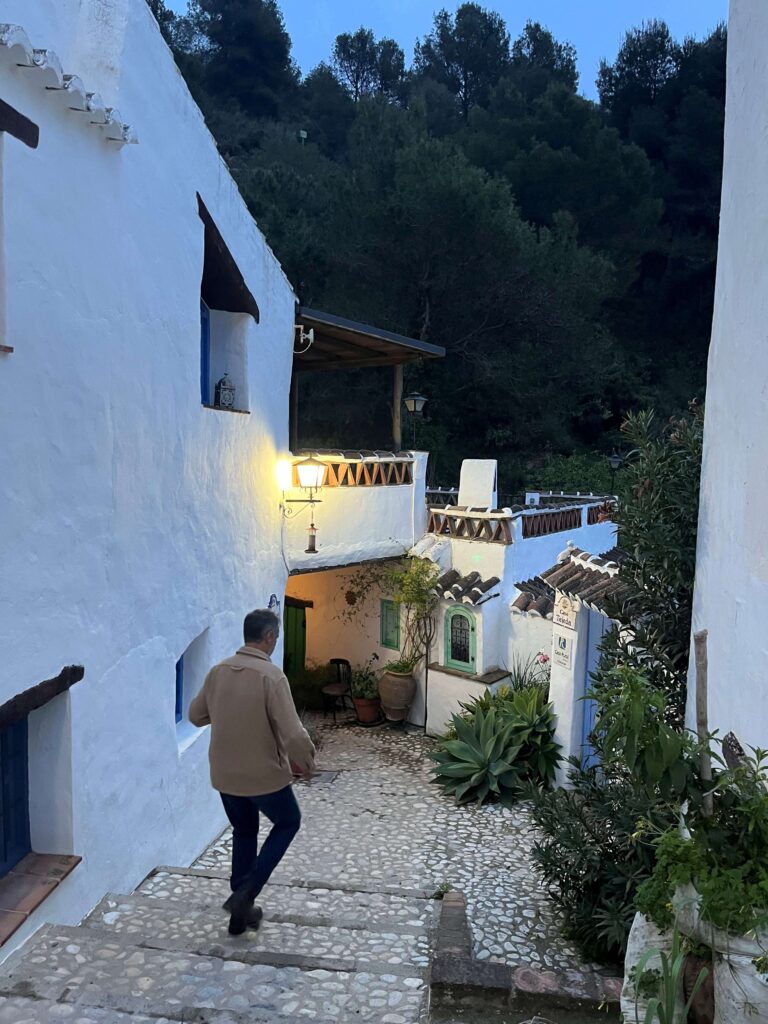
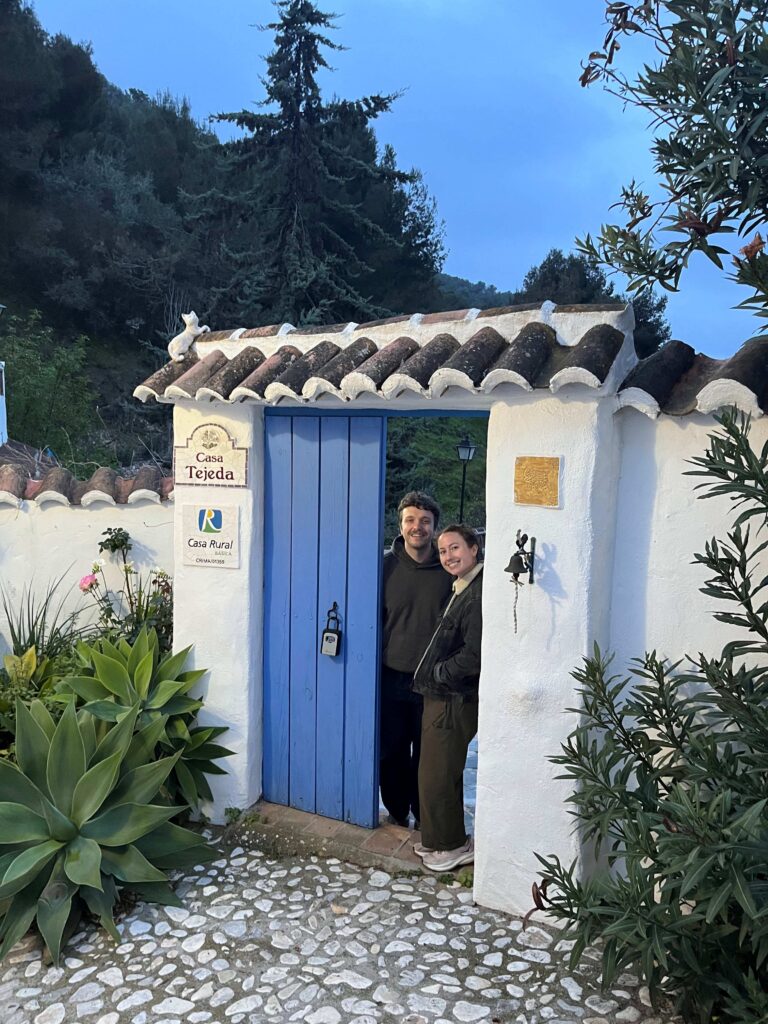
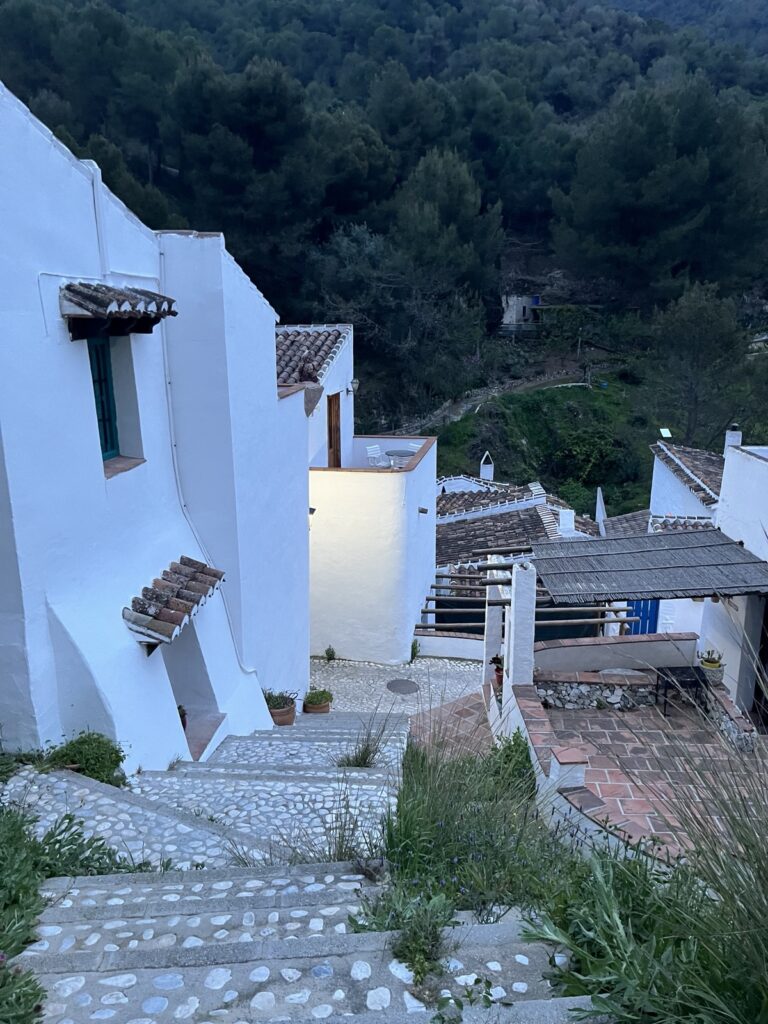
Frigiliana
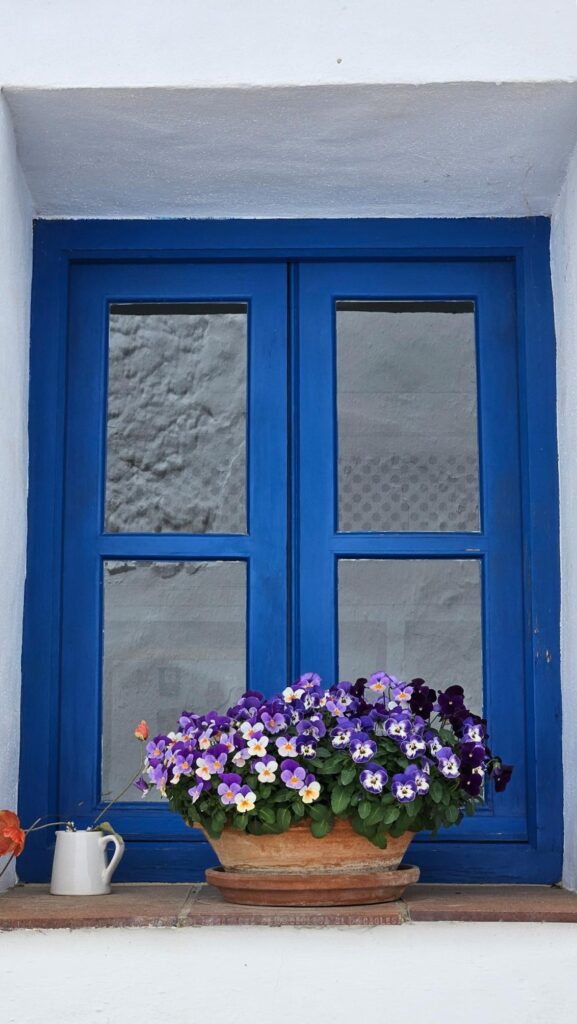
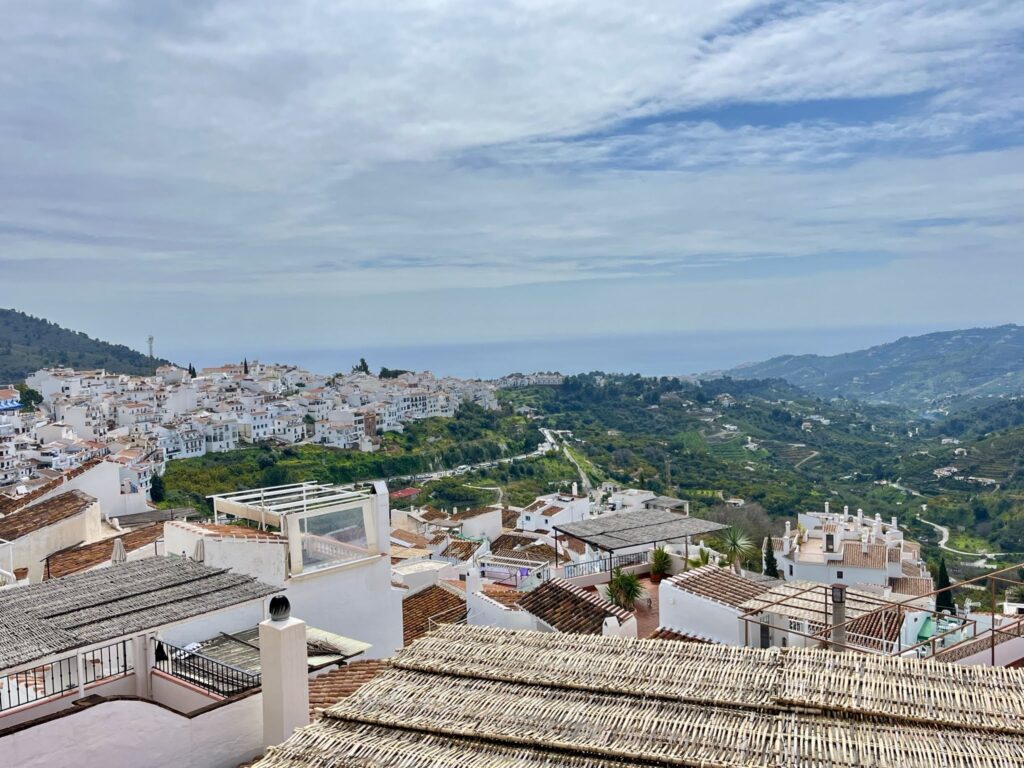
The following day, we explored the nearby white village of Frigiliana (Free-hee-lee-ANNA). We wandered the narrow streets and sidewalks, and had a super tasty lunch at The Garden Restaurant. A shout-out to the king prawns, we also had a breathtaking view that stretched to the Mediterranean Sea.




Nerja
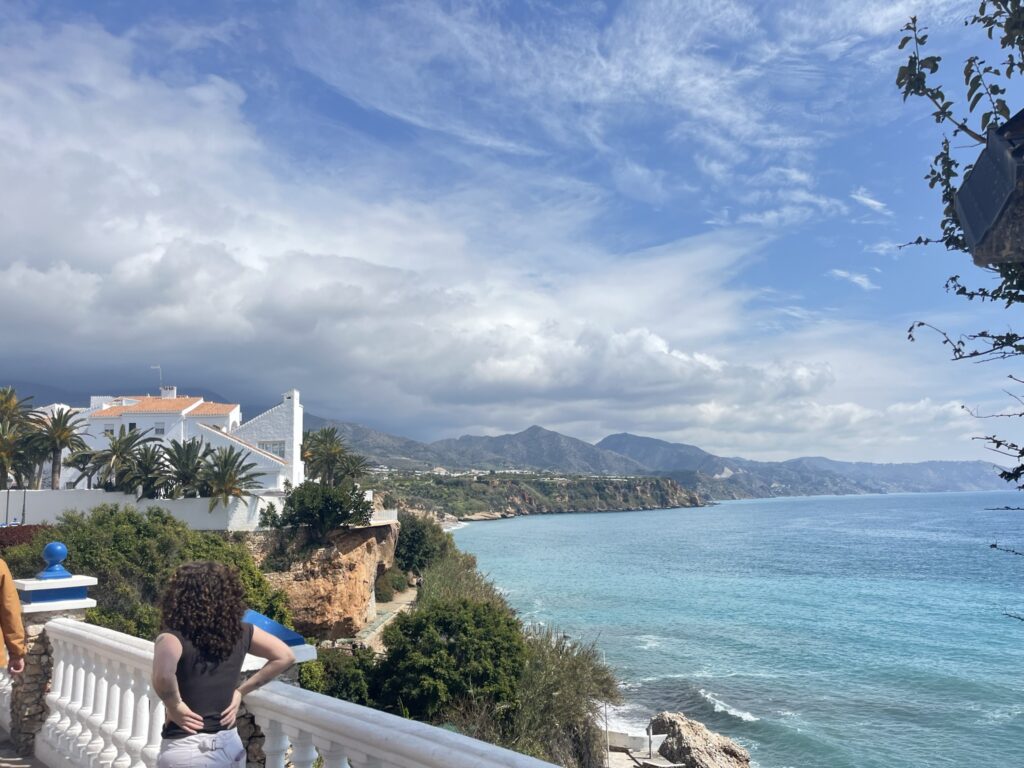
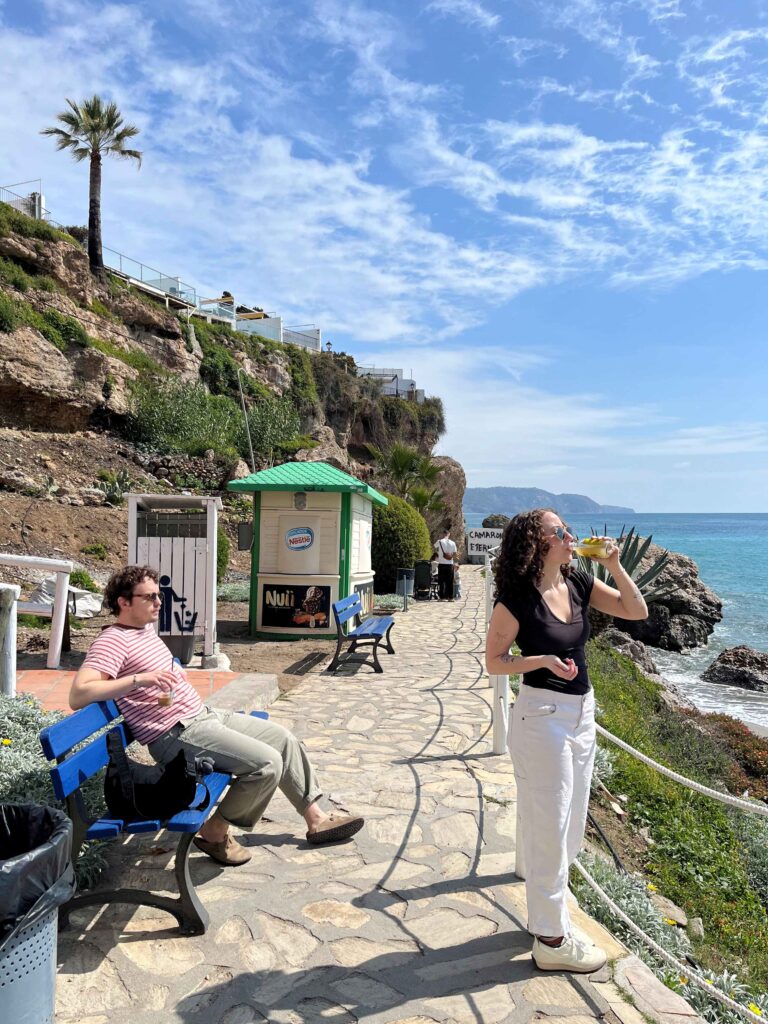
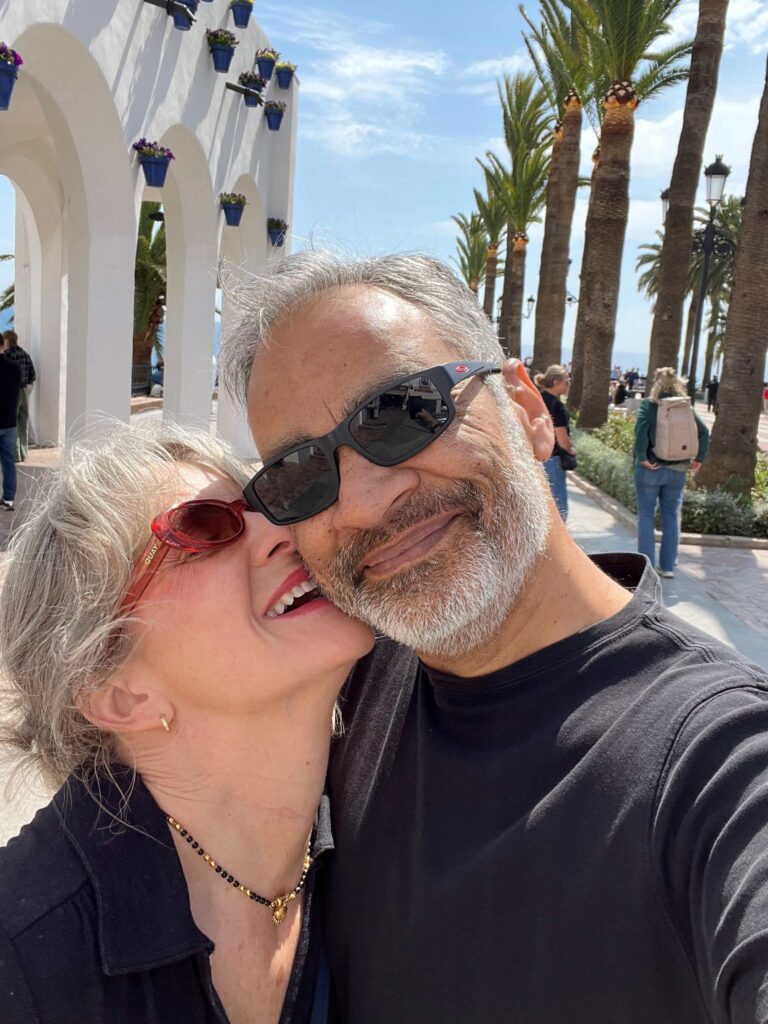
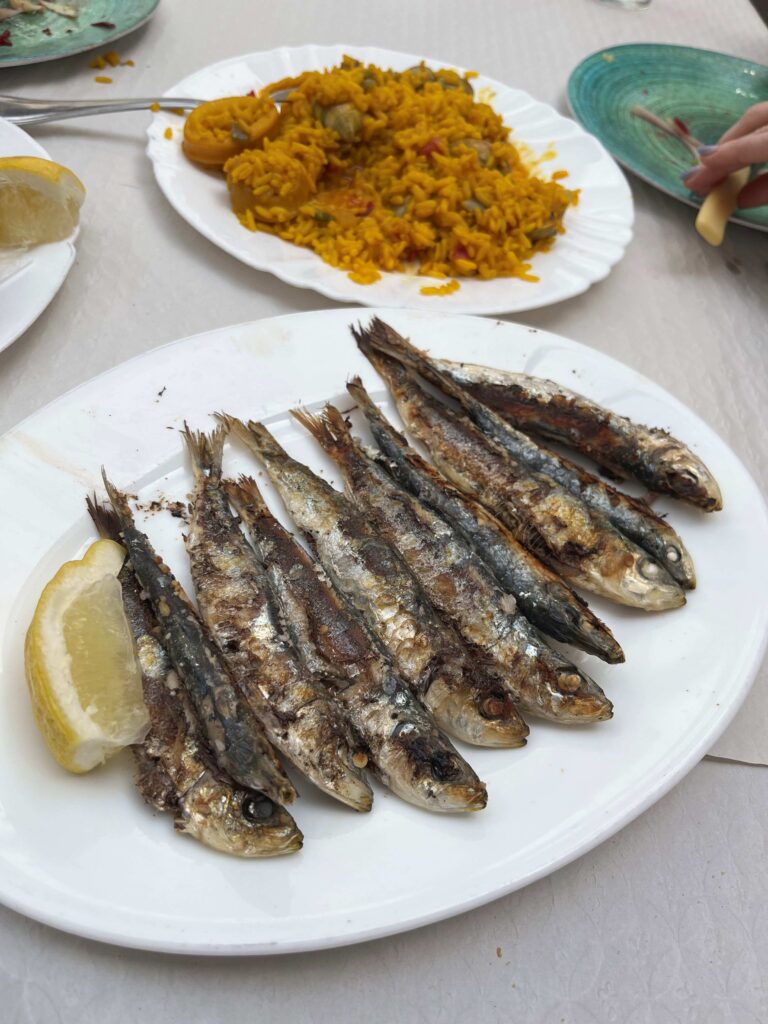
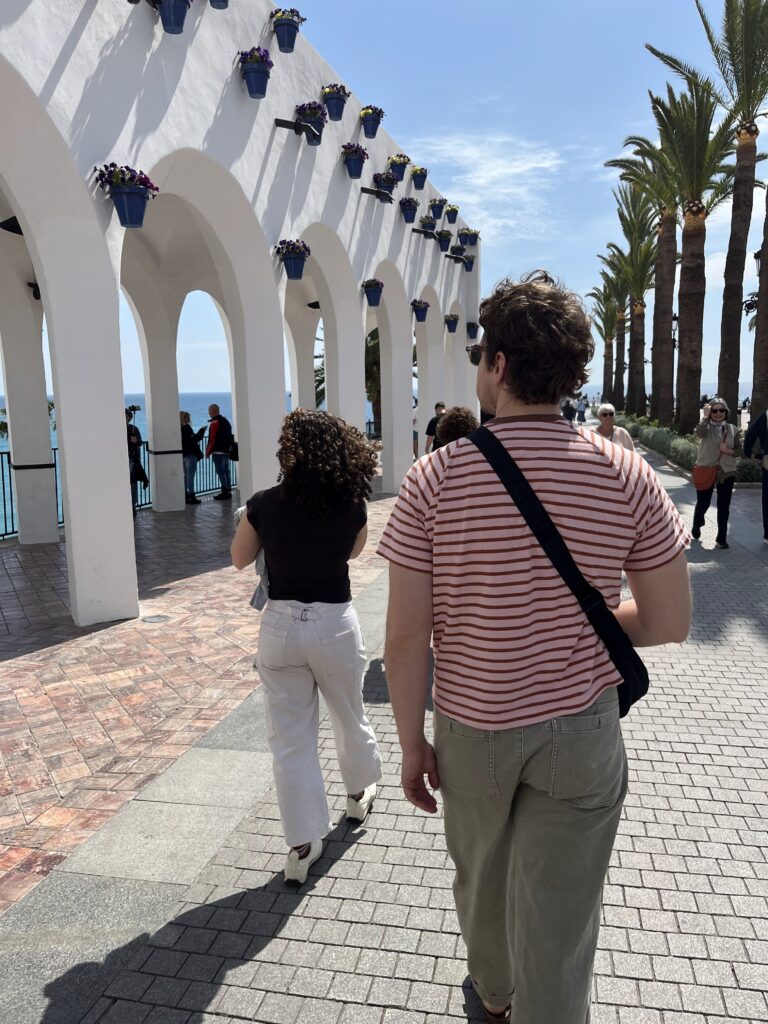
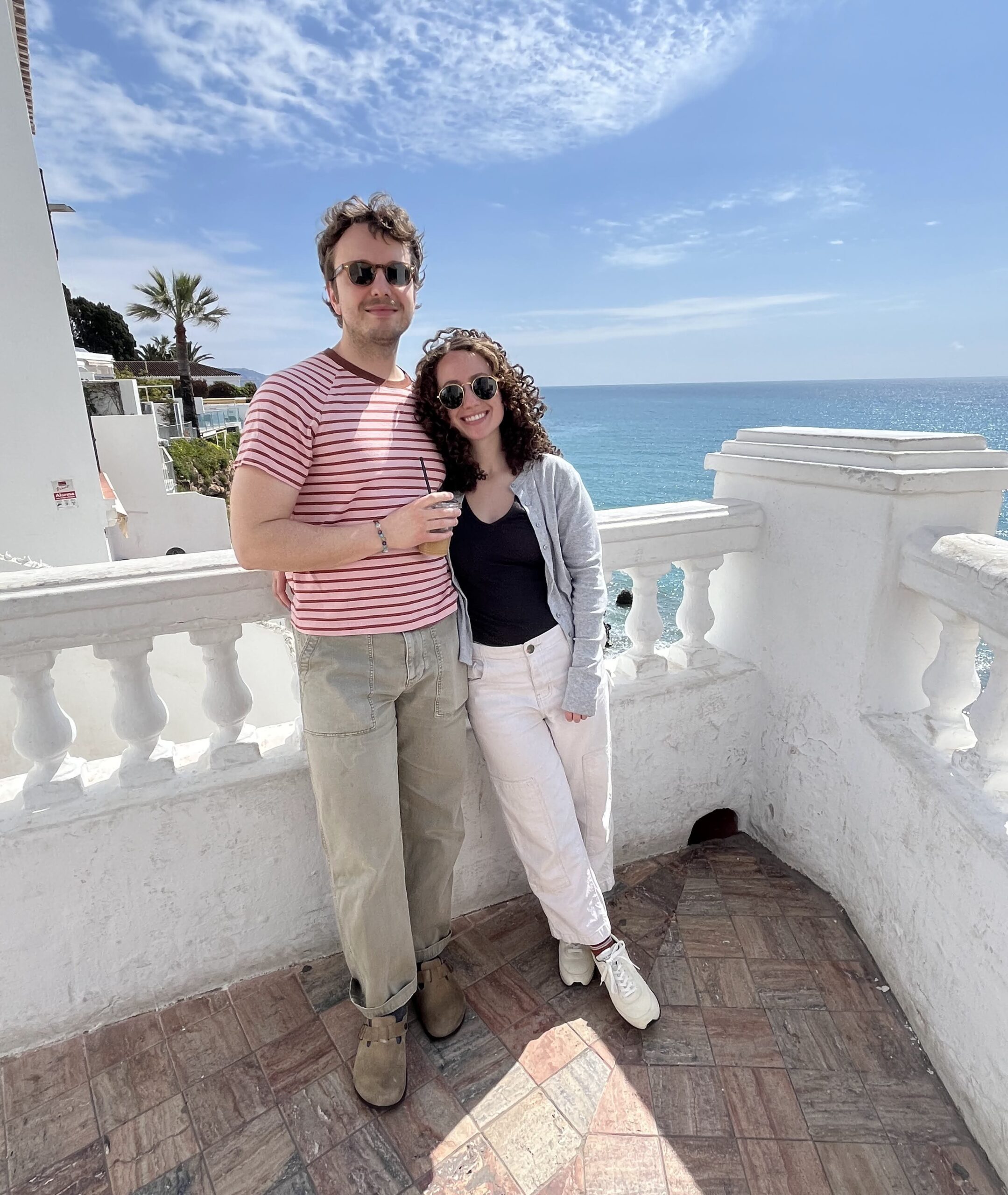
Since the rain was pressing us in the mountains, we made a last-minute decision to leave a day sooner and spend an extra day in Granada via the warm and sunny coastal town of Nerja. (Note to self, return to Nerja!)


Granada
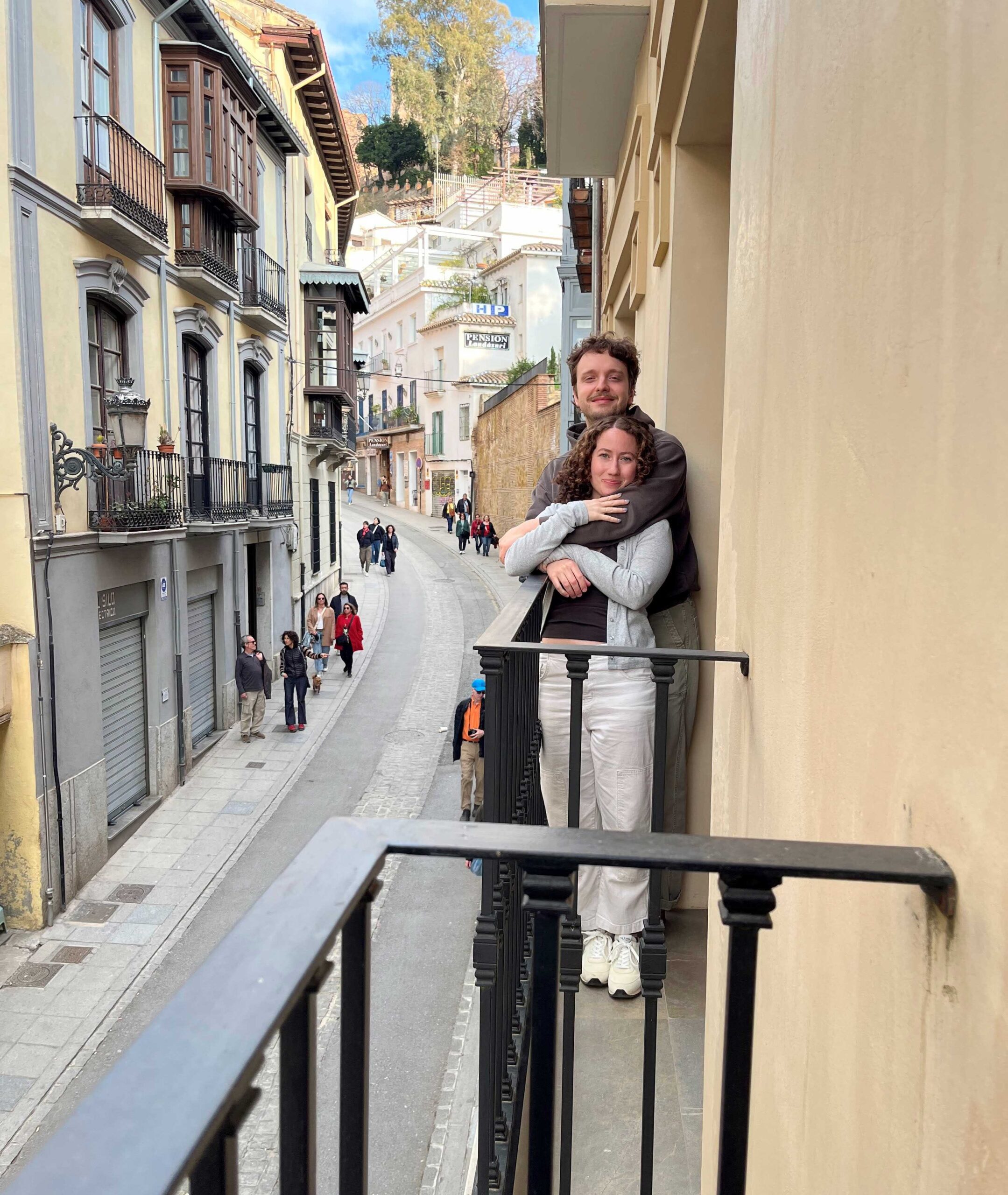
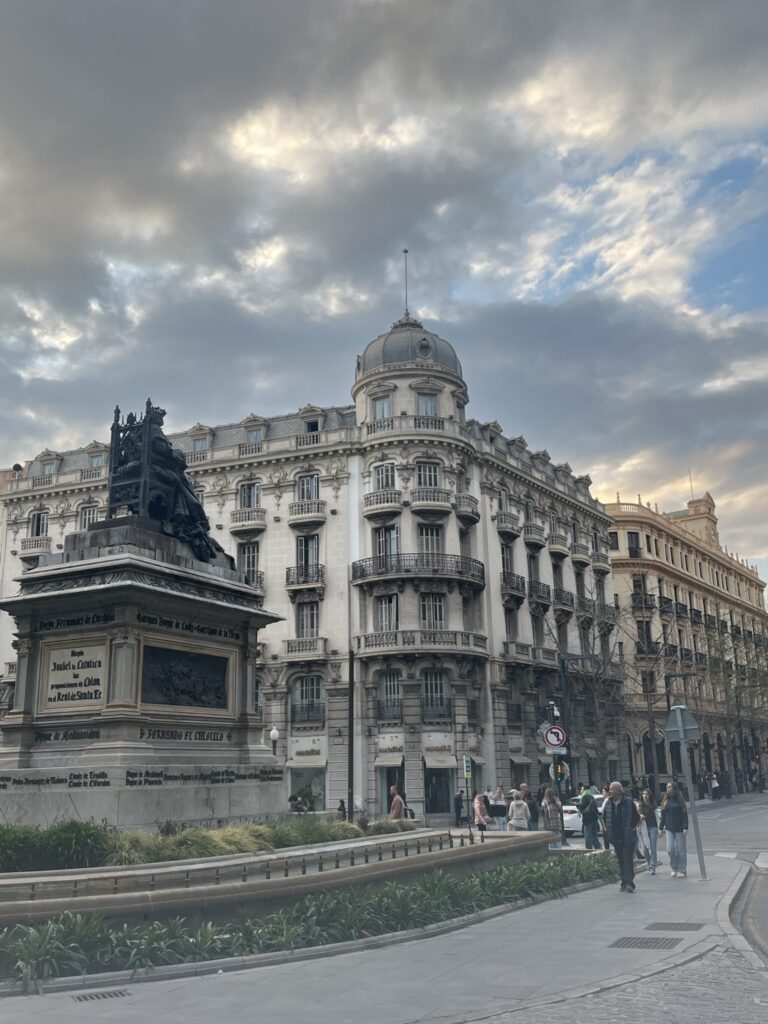
And then, what looked like would only be a one-hour car ride to our Granada hotel, turned into double that and a comedy of errors, thanks, in part, to Apple Maps — and the fact that many of the roads in the Old Town (where our hotel was located) were restricted.

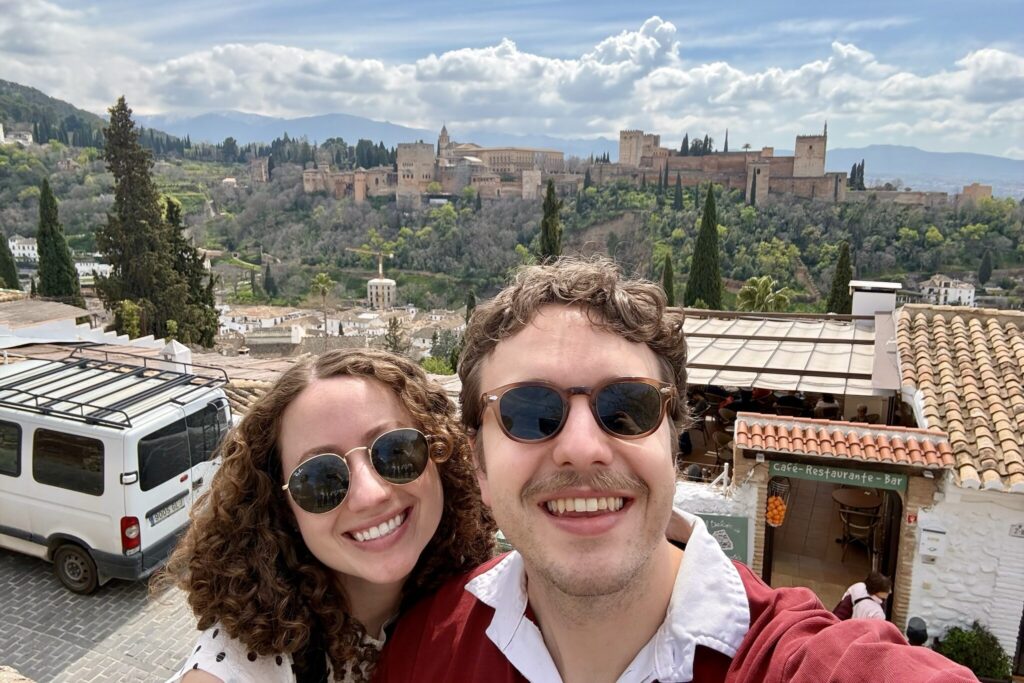
And, despite the threat of rain, it was time for our sunset hike in the Sierra Nevada Mountains! We met our guide, Angela, and her dog, Kira, at a bus stop south of the city center. We hopped into Angela’s van and rode along for about 20 minutes to the trailhead.
We spotted wild ibex babies and sleuthed out wild boar footprints. Angela also shared her knowledge of flora and fauna along the way. Kira the dog was the sweetest companion and added an unexpected sense of comfort—especially on the return hike in the dark. The route was gorgeous and the experience was totally unique!
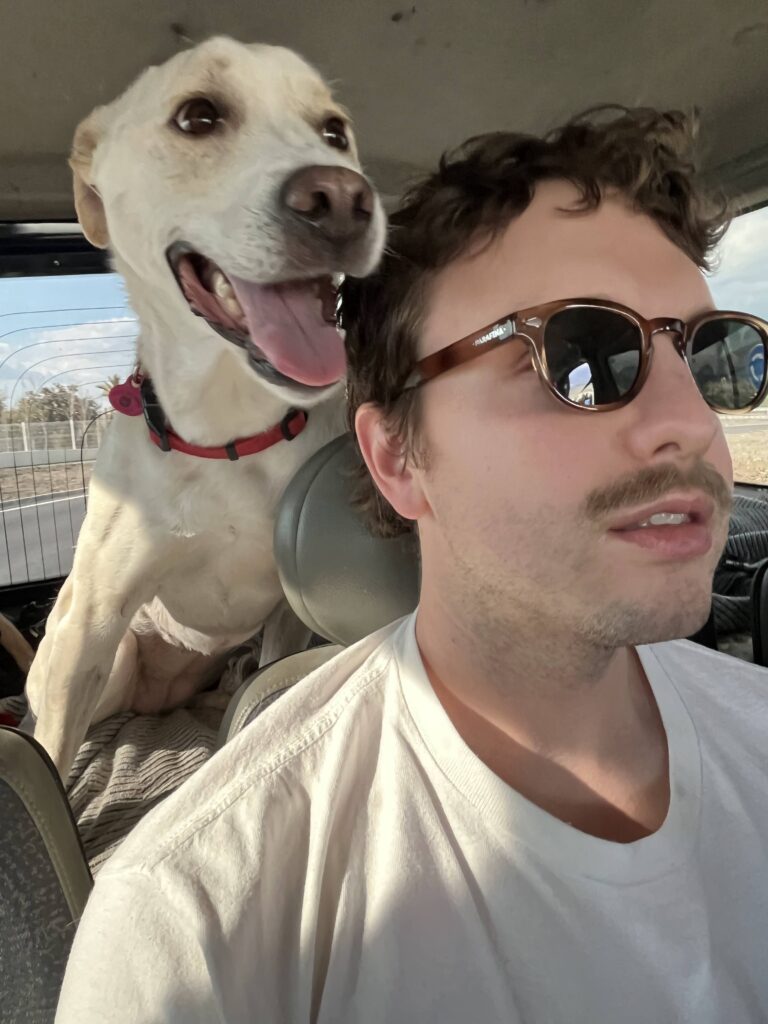
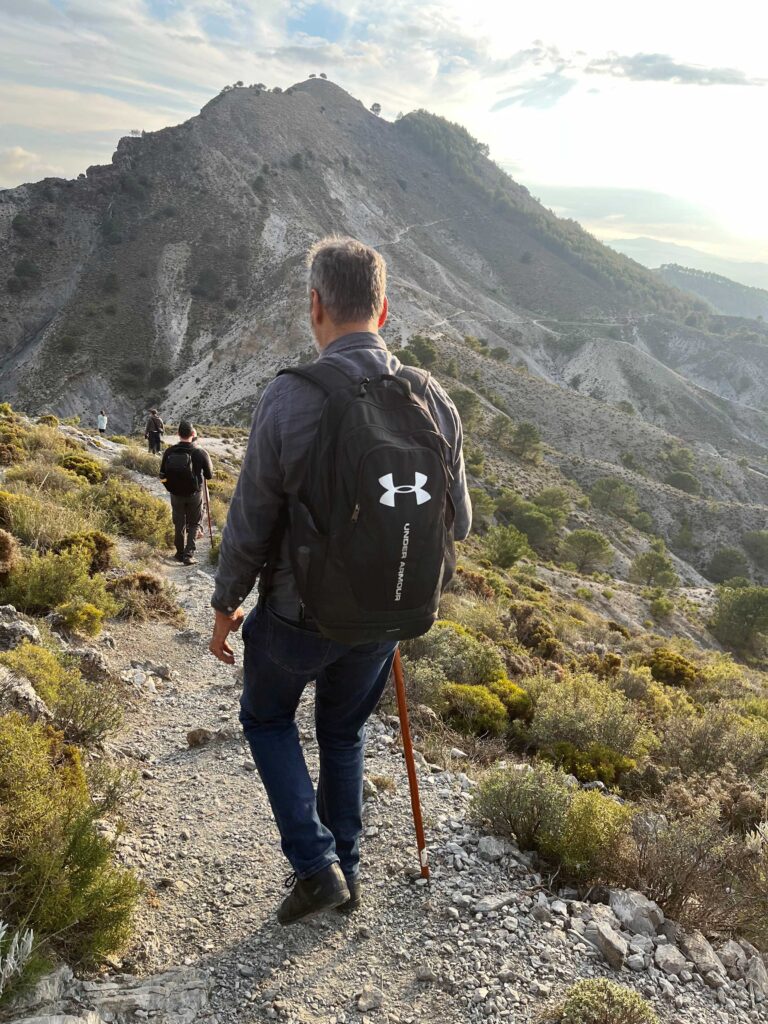

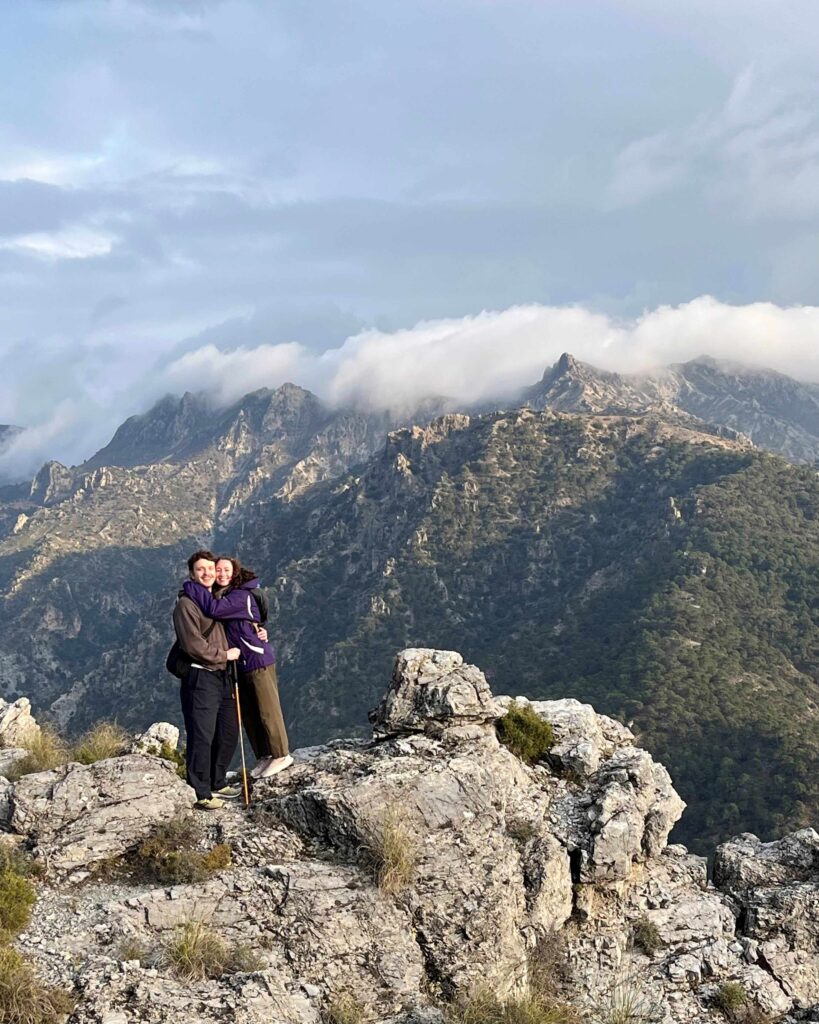
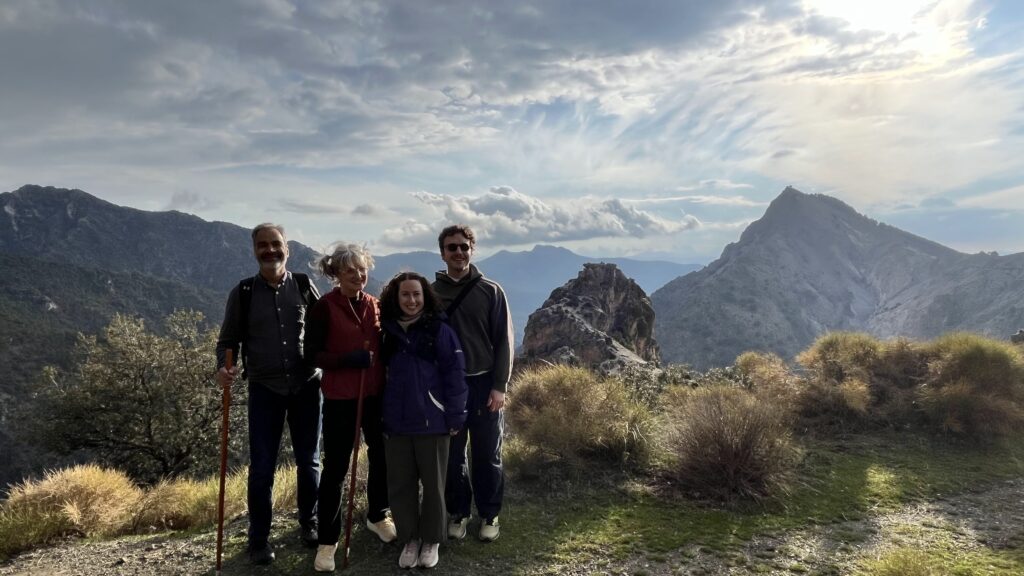
Okay, so our mountaintop view of the sunset was blocked by a giant raincloud, but it was still great fun. On our hike back in the dark, our guide told us we could’ve seen the Milk Way Galaxy had it not been for the thick clouds. I highly recommend this hike to anyone who finds themselves in the area! P.S. Angela is fluent in English, German, and Spanish. Kira speaks Spanish! 🐾

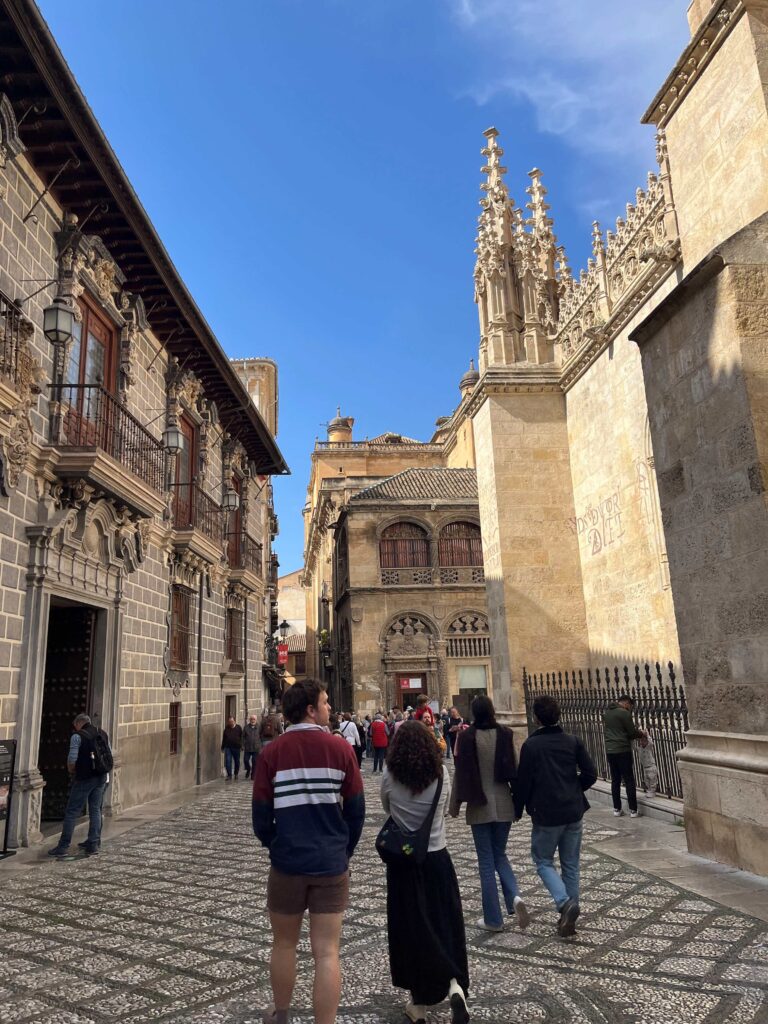
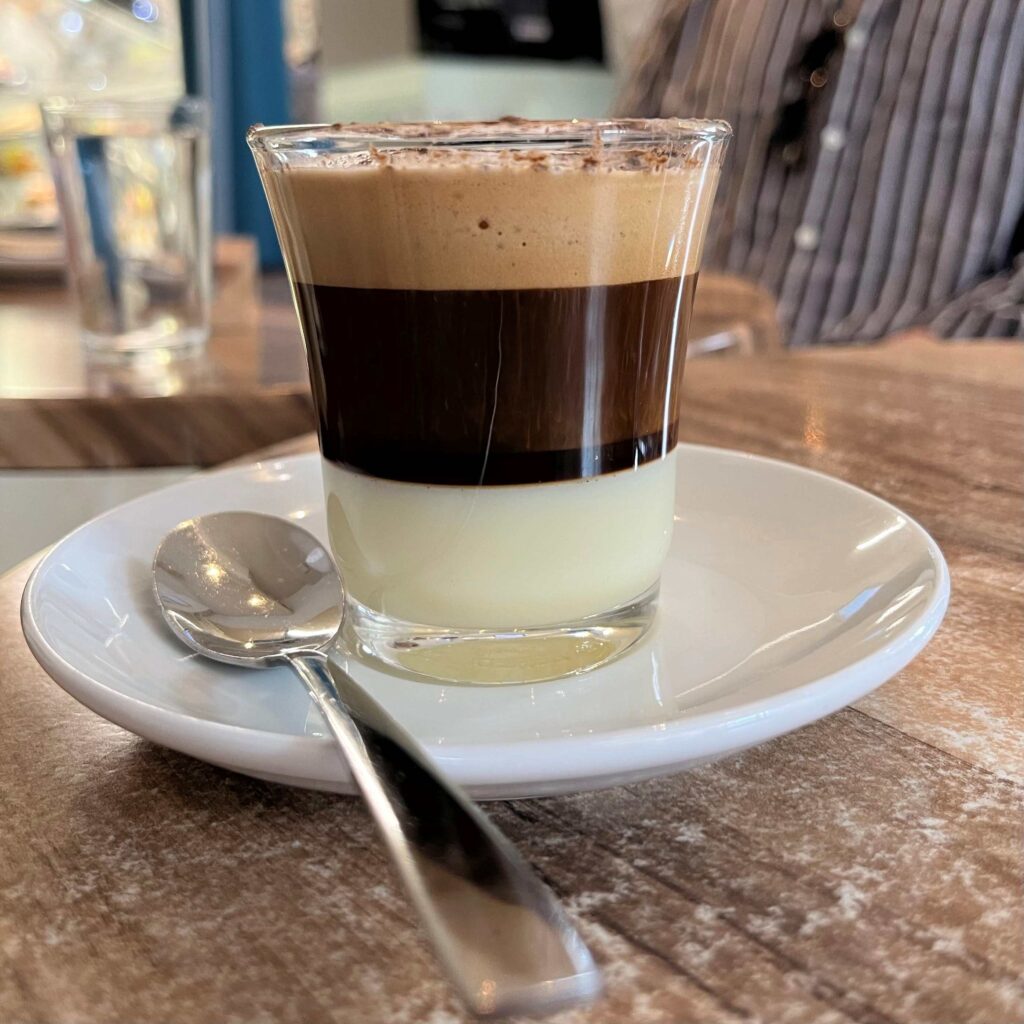
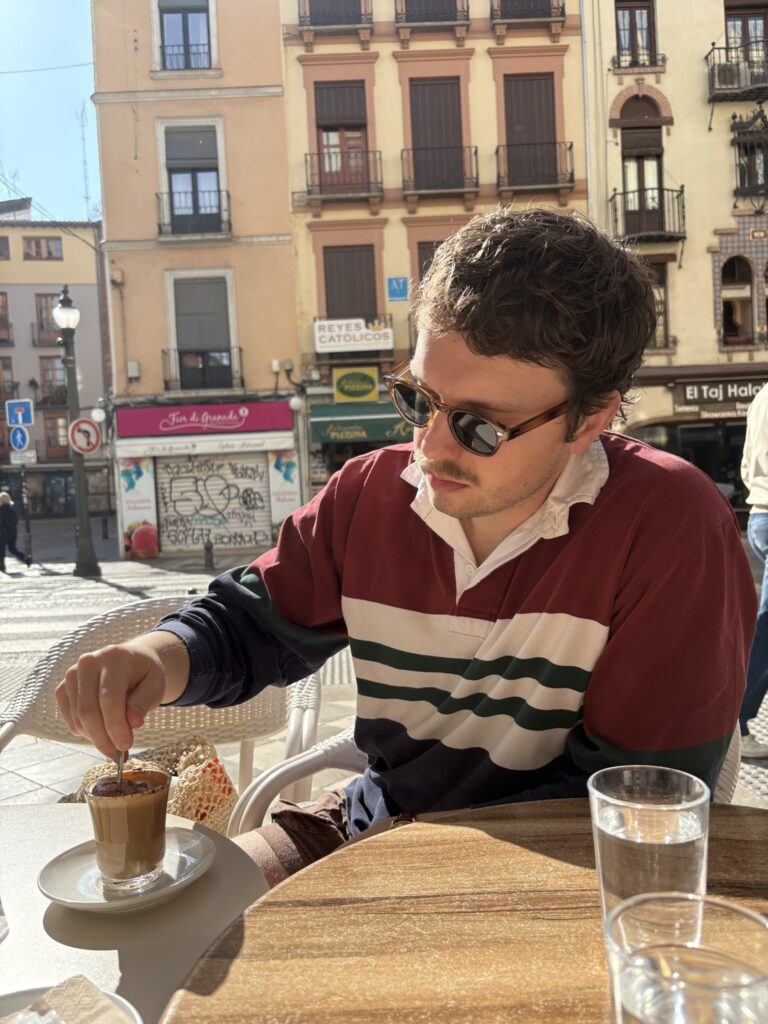
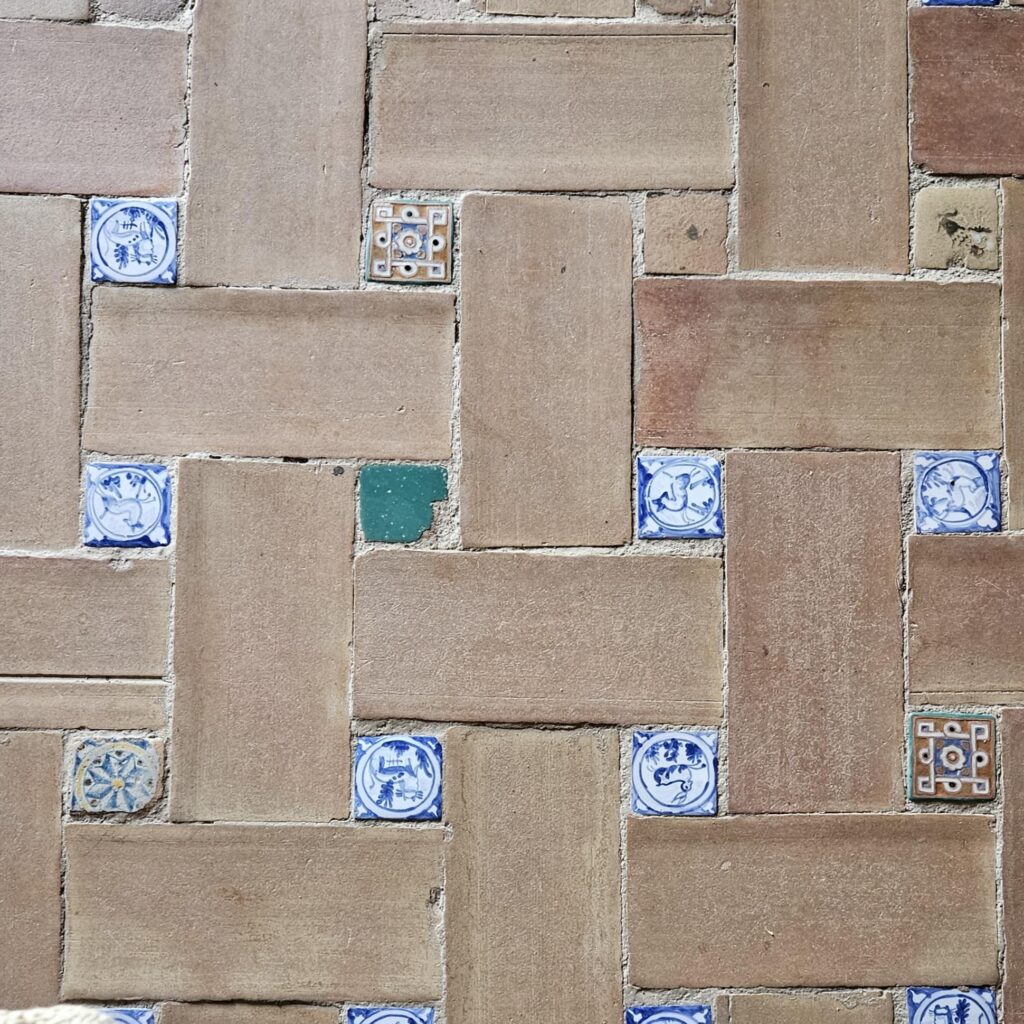
On our last morning in Granada, we enjoyed an early breakfast including yet another café bombón — a coffee drink made with equal parts espresso and sweetened condensed milk. And then we hiked up the steep hill to the Alhambra. This famous, sprawling UNESCO World Heritage site was first built as an Islamic palace city and later became a royal home for Spain’s monarchs.
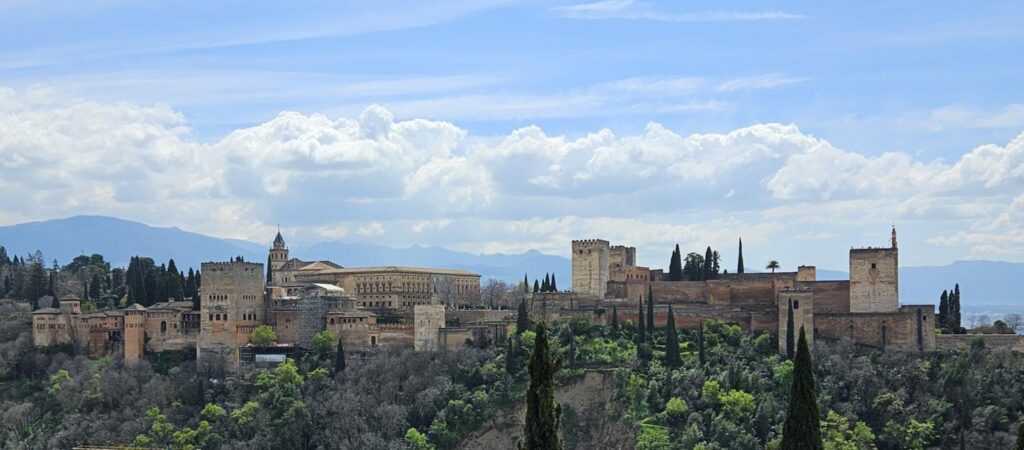

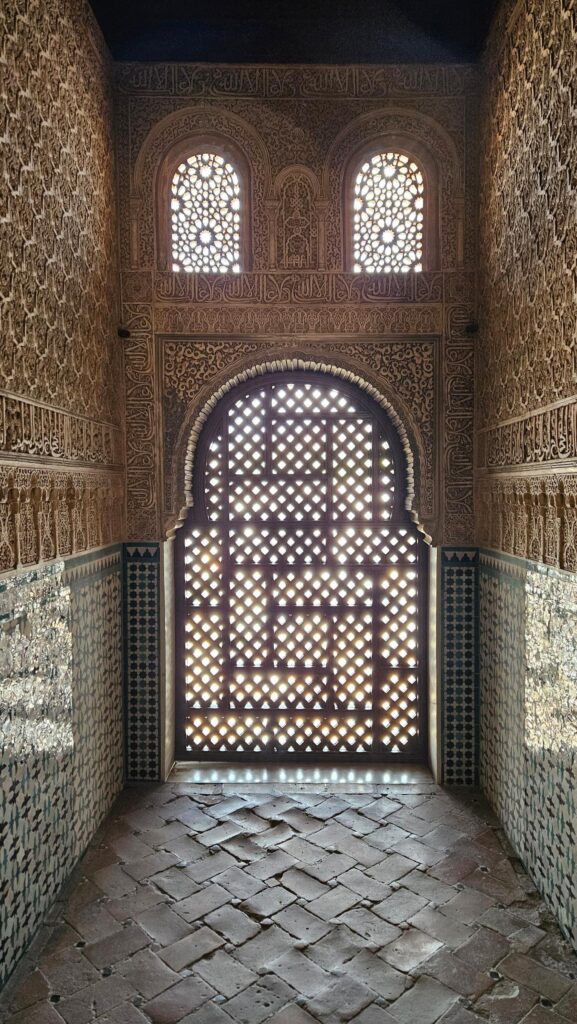

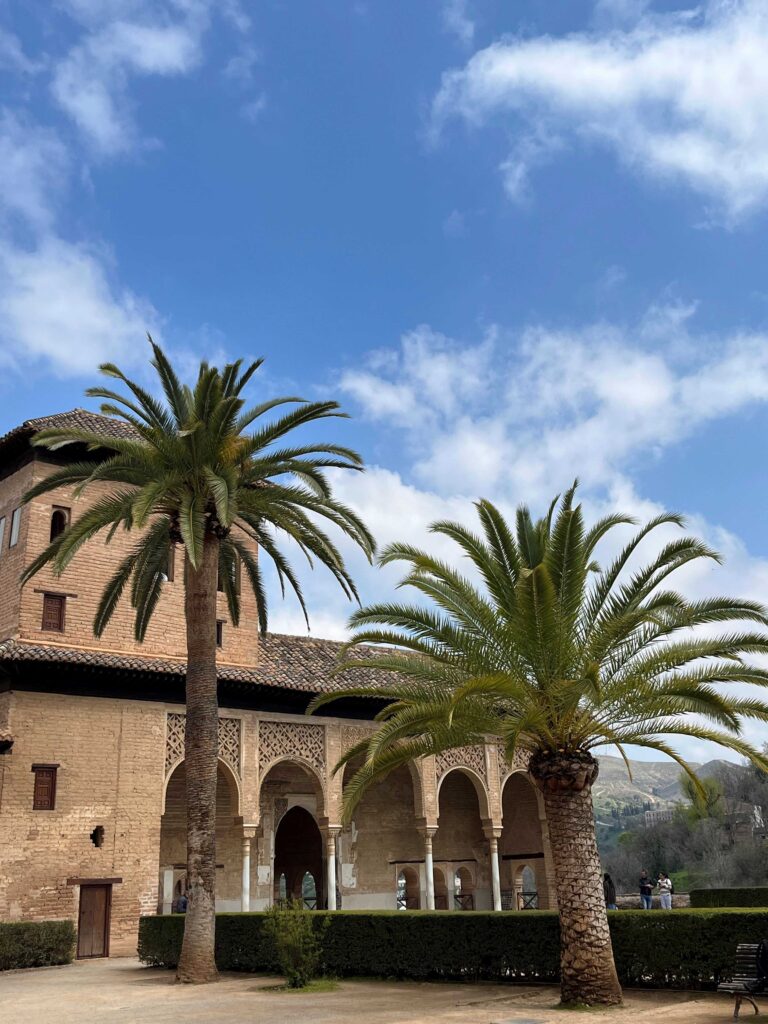


In the afternoon, we flew back to Madrid and our last night in Spain was spent in the bustling tourist center (think Champs-Élysées) complete with a sushi dinner and an evening stroll.
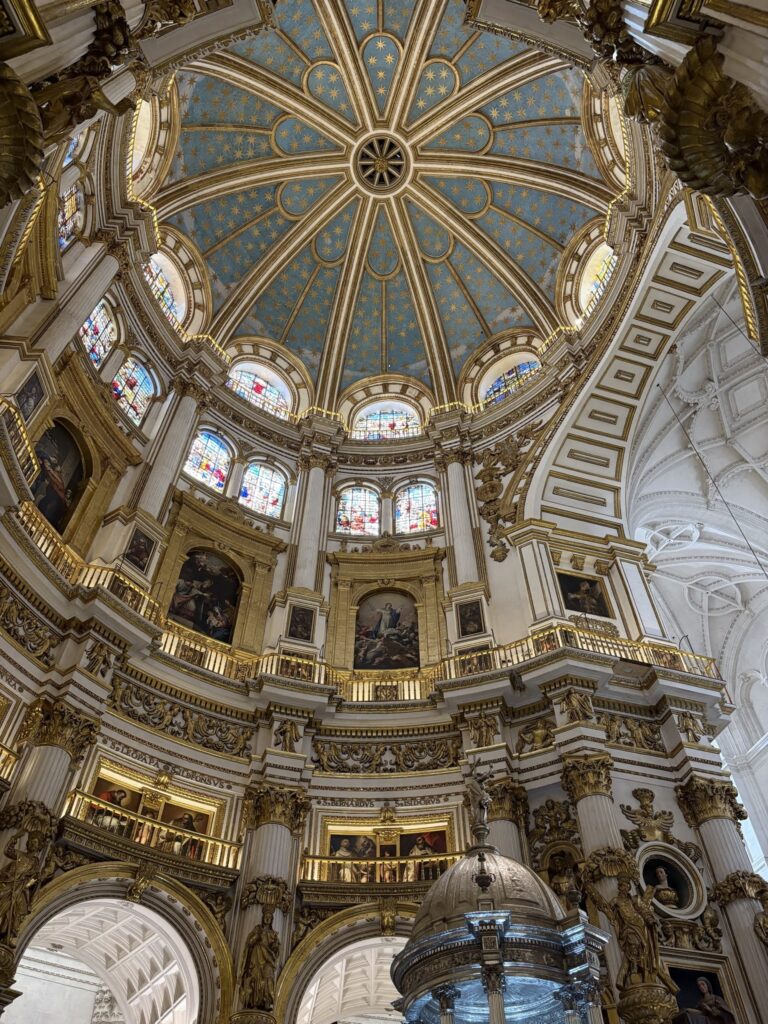
At long last—on our third trip to Spain—I finally feel like we did it justice. Andalusia really stood out with its 700 years of Moorish history, the incredible blend of Islamic and Christian art, and the iconic white-washed villages tucked into the hills. Add in its dramatic landscapes, its laid-back rhythm of life, and those 300 days of sunshine (even if the mountains tried to prove otherwise), and it was a major win.
Note: The links we provided on wanderfulretirement.com are for general informational purposes only; they do not constitute an endorsement. Unless otherwise credited, all of the pictures are owned by wandefulretirement.com and cannot be used without permission. Pictures taken in public are for general information only and are not meant to be invasive.